
Flag of Haiti
The blue and red colors signify unity and freedom, with blue representing the descendants of slaves and red symbolizing brotherhood among all Haitians. Coat of Arms symbolizes the nation’s struggle for freedom and unity.
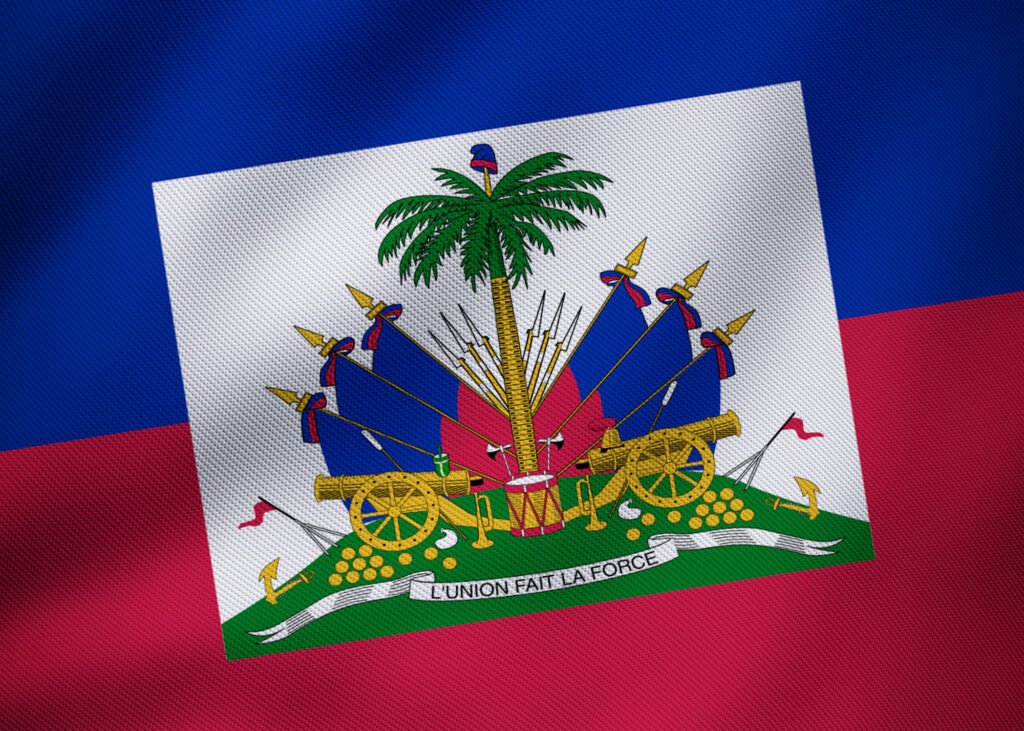
It features a palm tree topped with a liberty cap, representing independence. The elements within the emblem reflect the resilience of the Haitian people against oppression and celebrate their historic victories.
Fun Facts
Caribean Nation, East of Cuba, West of Dominican Republic,
715 miles south by southeast of Miami; 2 to 3 hour flight,
Distance between Cuba and Haiti:
Most common flight: 247 miles Narrowest point: 50 miles
Distance between Sioux Falls, South Dakota and Haiti: Approximately 1,850 miles;
approximately 7 to 8 hours flight time
First stop, Miami at 1,135 miles
Next, on to Haiti at 715 miles
Population (2025): 11.9 million
Country Size: similar to state of Maryland
National sport: Soccer
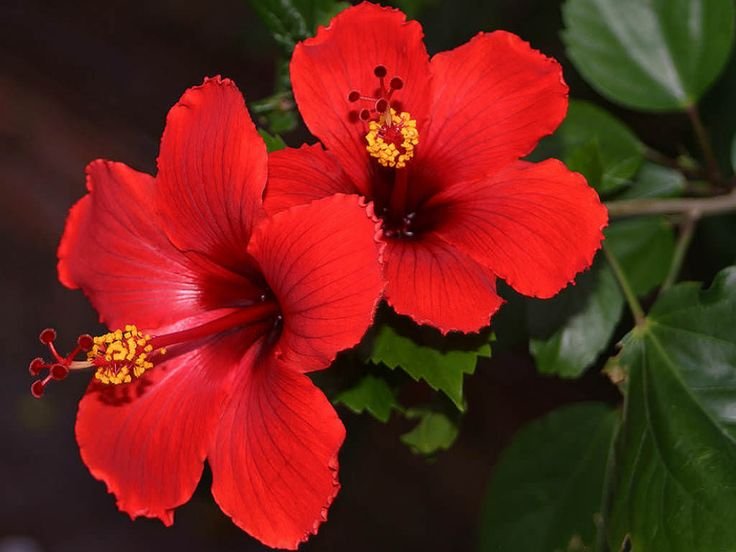
National Flower Hibiscus
Known as Hibiscus or also known as Choublak or rose kayenn in Haitian Creole; this flower is a symbol of Haitian beauty, joy and resilience
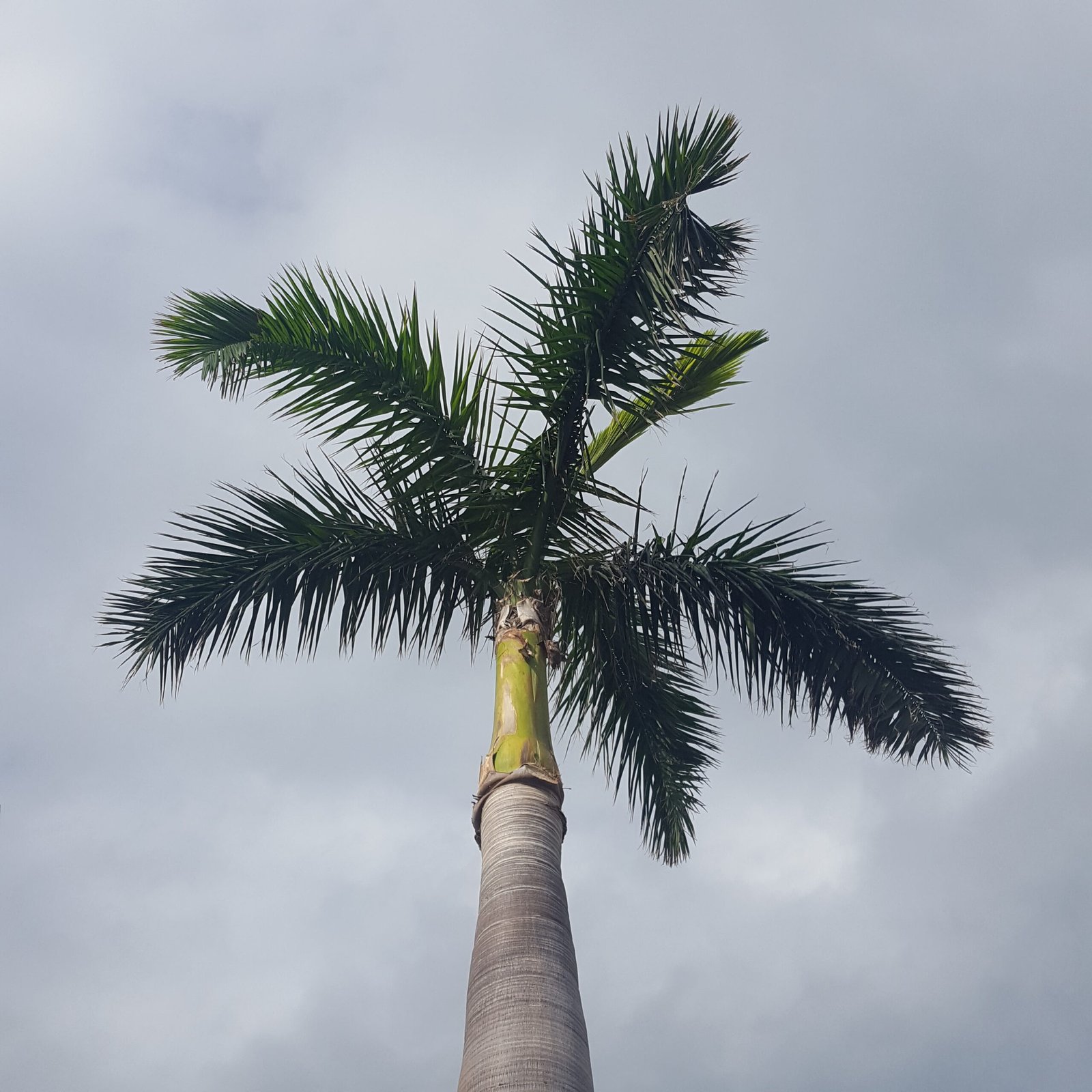
National Tree Royal Palm (Roystonea regia)
Royal Palm, featured on the country’s coat of arms, symbolizes its political independence and freedom
National Bird / Animal Hisponiolan Trogon
The Hispaniolan trogon (Priotelus roseigaster), also known as the “kanson wouj”. This bird is endemic to the island of Hispaniola and is recognized for it vibrant plumage, which includes red belly, green-blue back, and speckled tail

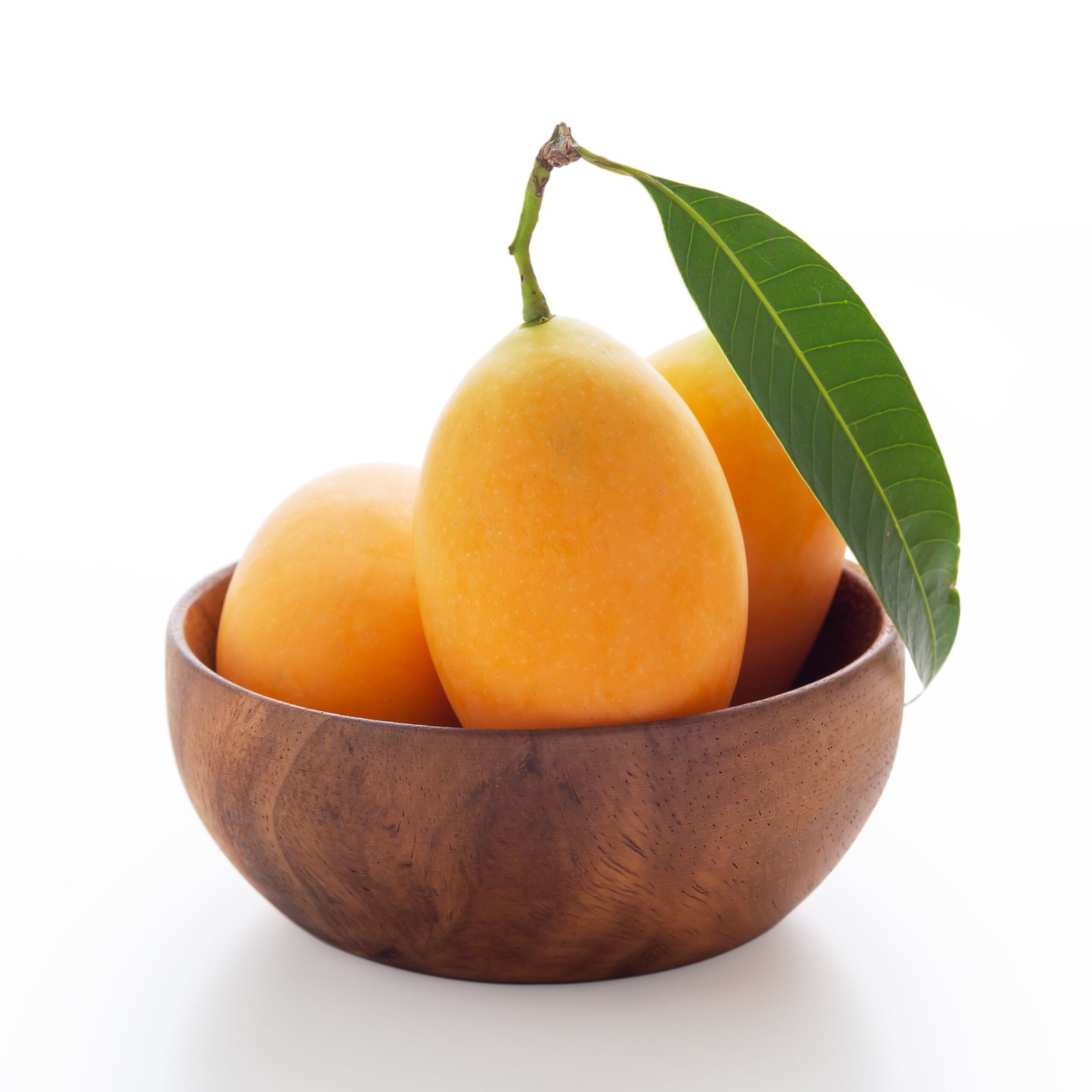
National Fruit Of Haiti
Mango; most sought after variety: Francique, known for being large and fleshy, and it is also a significant export of the country; it is a vital part of Haitian diet and economy; there are over 100 different types grown in Haiti
National Food Of Haiti
There are multiple dishes considered national dishes, however most prominent being Griot and Diri ak Pwa. Griot is deep-fried marinated pork shoulder served w/ a spicy pickled cabbage condiment called Pikliz. Diri ak Pwa (rice and beans) is a staple made w/ red kidney beans or other beans & rice. Another dish that is of significant importance: Soup Joumou, a pumpkin soup served traditionally on Independence Day
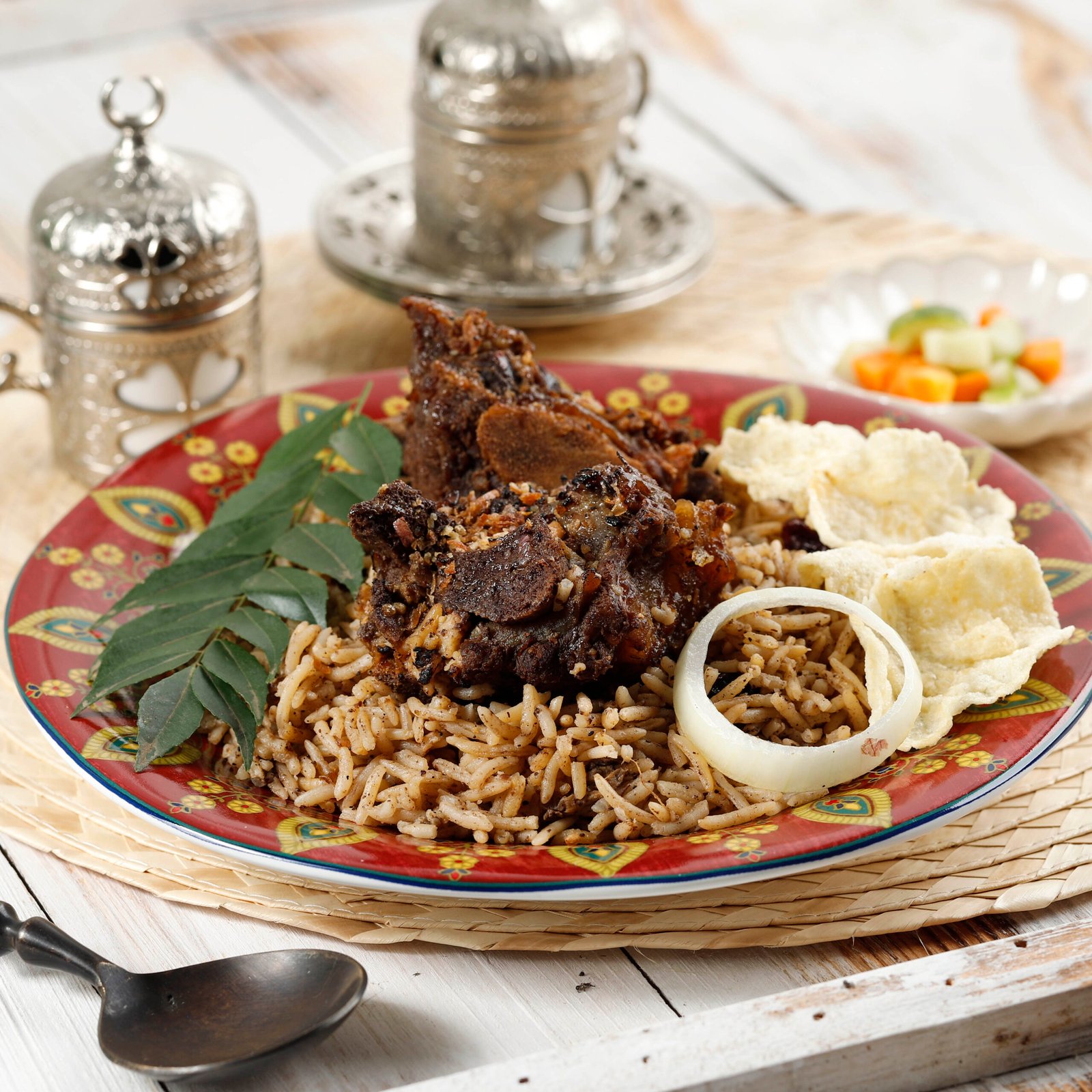
INFORMATION ON HAITI, TRY TO WORK INTO SCIPT ABOUT HAITI
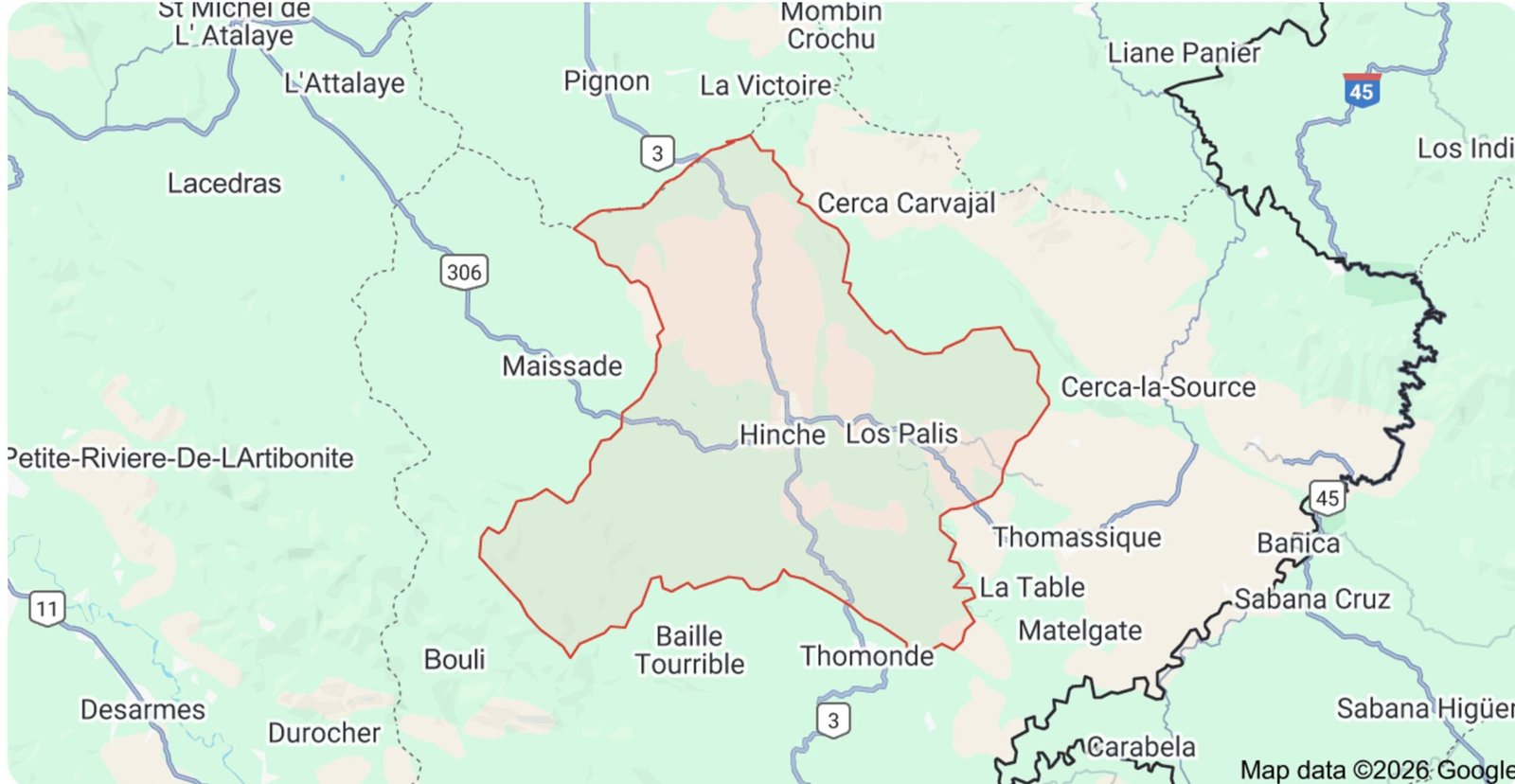
Hinche (or Ench) is a significant city and the capital of Haiti’s central Centre Department, located in the country’s interior plateau, about 47 miles west of the Dominican Republic border and north of Port-au-Prince, known for its rich agricultural land and historical importance. It sits on the fertile Central Plateau, watered by the Guayamouc River, and is a hub for the surrounding rural areas, distinct as Haiti’s only landlocked department.

Key Details:
- Location: Central Haiti, Centre Department.
- Significance: Capital of the Centre Department, important agricultural center, and historical town.
- Geography: Situated on the Plateau Central, bordered by mountains and rivers.
- Notable Features: Home to the Sacred Heart Cathedral (Cathédrale de Sacré-Coeur) and nearby Bassin Zim waterfall.
- History: Founded in 1704, it has Spanish and French colonial roots and is the birthplace of Haitian nationalist Charlemagne Péralte.
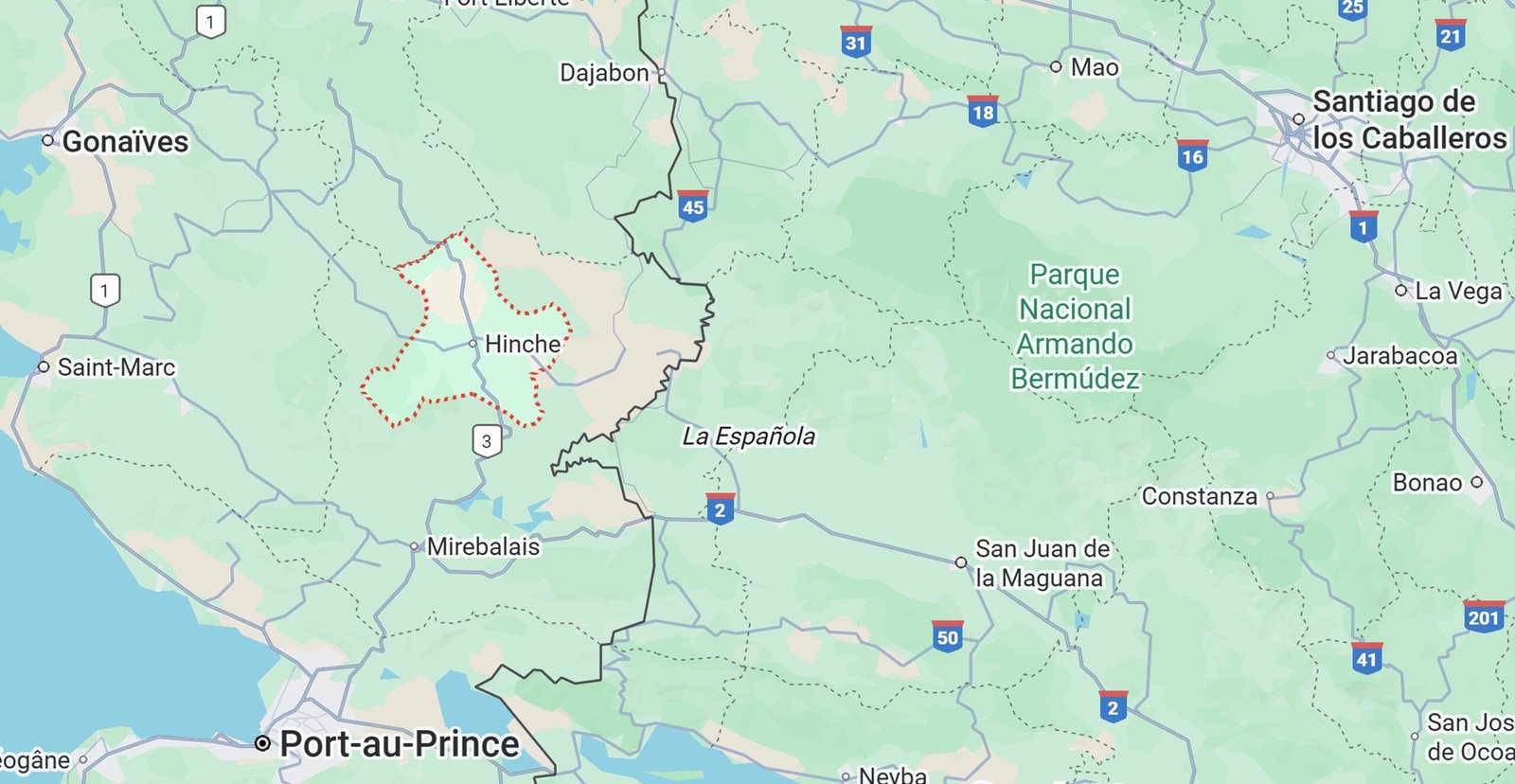
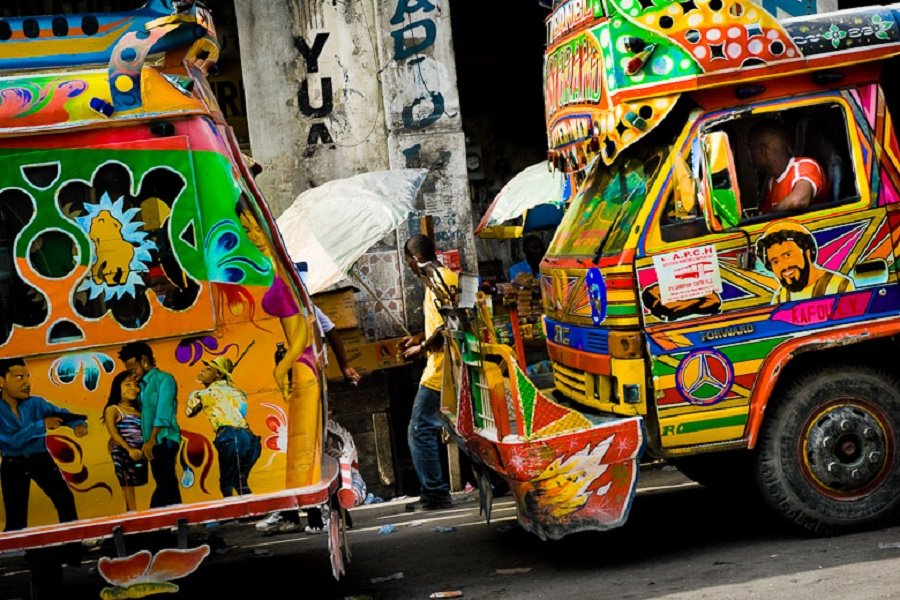
Haiti’s mass transportation relies heavily on privately-owned, brightly decorated vans and trucks known as tap-taps, which serve as colorful, often crowded, public buses, supplemented by larger minibuses (camionnettes) for inter-city routes and moto-taxis for shorter trips, with walking also a key mode, as formal systems like trams or extensive rail are largely historical or limited.
Key Modes of Transport:
- Tap-Taps: These are modified pickup trucks or vans with added canopies and bench seating, known for their vibrant paint, religious slogans, and pop culture art. They are ubiquitous, cheap, and stop anywhere, but can be overcrowded and challenging for non-speakers.
- Minibuses (Camionnettes): Larger than tap-taps, these often modified school buses or vans offer more comfort and are organized by destination for longer trips between cities, gathering at designated lots.
- Moto-Taxis (Motorcycles): Essential for navigating congested streets and shorter distances, these are a common sight, though safety is a concern.
No, Hinche, Haiti, located in the Central Plateau, is generally not considered a wealthy area; it’s known more for its strong rural, agricultural character and rich history, contrasting with Haiti’s more affluent areas like Pétion-Ville near Port-au-Prince, which hosts wealthy residents, businesses, and luxury amenities,. While Hinche is significant culturally, Haiti itself remains one of the world’s least developed nations facing severe economic challenges, making true “wealthy” areas rare and concentrated in specific, secure enclaves.
Key Points about Hinche:
- Rural & Agricultural: Hinche’s economy and identity are deeply tied to its fertile surroundings and agriculture.
- Historical Significance: It’s the birthplace of Haitian hero Charlemagne Péralte and has colonial remnants, but this doesn’t equate to modern wealth.
- Central Plateau: It’s part of a region described as an emerging “linear continuous city,” but still fundamentally rural compared to the capital.

- Walking: A fundamental mode, especially for daily commutes, as people often walk long distances to reach jobs or markets.
Other Transport:
- Taxis: Traditional cars also operate, but are generally more expensive than shared options.
- Limited Rail: While Haiti once had tramways and industrial railways, modern passenger rail is not a significant part of current mass transit.
How They Operate:
- “Fill-and-Go”: Most tap-taps and minibuses operate on a “fill-and-go” basis, meaning they depart once full.
- Fares: Fares (paid in Gourdes) are low, with some drivers offering slightly higher fares for a front seat.
- Flagging Down: To use tap-taps, you typically stand by the road and flag them down, yelling “merci!” to signal when you want to get off.
- Flagging Down: To use tap-taps, you typically stand by the road and flag them down, yelling “merci!” to signal when you want to get off.
A tap-tap ride in Haiti is very inexpensive, often costing just a few US cents, like 10 to 25 cents (US$0.10 -$0.25) for a ride across town, though prices vary by route and current fuel costs, with some older estimates showing trips for as little as $0.15 USD, but always check what locals pay or agree on a price before riding, as they are shared, privately-owned taxis.
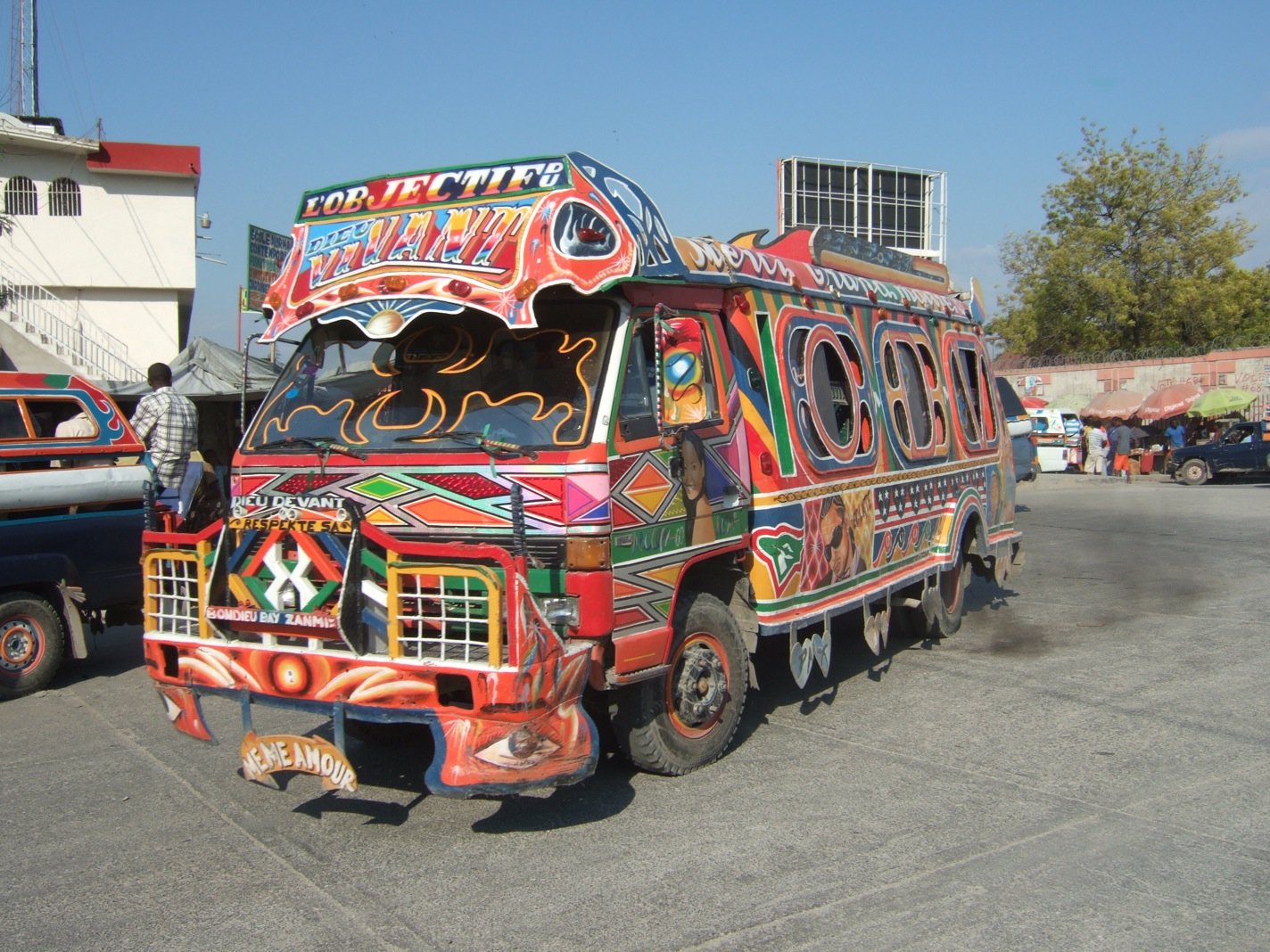
Key Factors Influencing Cost:
- Distance & Route: Longer distances or routes in less accessible areas will cost more.
- Fuel Prices: Since tap-taps are privately run, rising gas prices directly affect fares.
- Negotiation: It’s common to pay what other passengers pay, or agree on a price beforehand, as fares aren’t always fixed.
- Local vs. Tourist: Tourists might sometimes be charged a bit more, so observing local fares is key.
Examples of Costs:
- Early 2010s: A ride across town might be 10-25 cents.
- 2018: Fares could be around 20-25 Haitian Gourdes (HTG) for specific routes.
- General: Even with price fluctuations, they remain very affordable, often less than a dollar for shorter trips, making them essential for many Haitians.
Purchasing a whole tap-tap (a colorful, shared taxi bus/truck) in Haiti isn’t about a single fixed price, as they are privately owned, but expect significant costs, potentially ranging from a few thousand to tens of thousands of U.S. dollars, depending on condition (old school bus vs. newer truck), customization, and the volatile economic situation, while a single ride costs very little (e.g., 25 HTG or less).
Factors Influencing Purchase Price:
- Vehicle Type: An older, converted school bus (like a “camionnette”) will be cheaper than a more modern pickup truck.
- Condition: Mechanical soundness, tires, and paint quality heavily impact price.
- Customization: Elaborate artwork, loud sound systems, and unique metalwork add to the value.
- Market Demand: Prices fluctuate with the Haitian economy and fuel costs.
Where to Look:
- Local Mechanics & Garages: Often have vehicles for sale.
- Word of Mouth: Ask drivers, mechanics, and local business owners.
- Online Forums/Groups: (Use with caution) Look for groups focused on Haitian transport or business.
Key Consideration:
- Rides vs. Purchase: Remember, a single tap-tap ride costs very little (like 25 cents or less). Buying the whole thing is a major investment, not a casual purchase.
What You're Buying (Beyond the Vehicle):
- A Business: A tap-tap is a small business, so you’re buying its earning potential (fares).
- Route Rights: Some routes are more lucrative, and you might be buying into an established network.
- Art: The elaborate paintings are a key part of the culture and appeal, so they add value.
Estimated Costs (Rough Ideas):
- Used Pickup Truck: Could start around $3,000-$10,000+ USD for a decent working truck, maybe more for a beautifully customized one.
- Older School Bus: Might be in a similar range but could be cheaper if older/more worn.
The cost to purchase a minibus in Haiti varies widely based on the vehicle’s age, condition, and seating capacity, with prices ranging from roughly $5,000 for used models to over $80,000 for new luxury, high-capacity vehicles. The most common models, such as the Toyota Hiace, often fall into the $9,000-$17,000 range for used units.
Minibus Pricing Breakdown
- Used Minibuses (Good condition): Typically between $5,000 and $20,000, depending on year and mileage.
- Used Toyota Hiace/Commuter: Often priced between $8,000 and $13,000 for models from the late 2000s to early 2010s.
- New/Near-New Minibuses: Prices for newer, high-roof, or luxury models (such as 2026 models) range from $38,000 up to $80,700.
- Import/FOB Costs: Many vehicles are sourced from Japanese exporters (TCV, Be Forward) with FOB prices (shipping included to nearby ports) often starting around $5,000-$10,000 for standard vans.
Key Considerations
- Popular Models: Toyota Hiace (Van and Commuter) is the dominant choice.
- Alternative Brands: Mitsubishi Rosa, Nissan Caravan, and Mitsubishi Canter are also common.
- Transaction Costs: Prices on used car platforms (e.g., TCV, CardealPage) are often FOB (Free On Board), meaning additional costs for customs, duties, and transportation to Haiti must be factored in.
Note: Prices are listed in US Dollars ($), which is the standard for vehicle imports in Haiti.
Based on available online retailers and specialized distributors, the cost of a standard hardcover “Chants D’Esperance” (the most commonly used hymnal in Haiti) generally ranges between $15 USD and $79 USD, depending on the edition, binding, and source.
- Standard Hardcover (Chants D’Esperance): Approximately $55 – $65 USD.
- Deluxe or Special Editions: Some versions, particularly those with added songs or special covers, are priced up to $78.99 USD.
- Basic/Imperfect Editions: Lower-cost options, such as “imperfect” or slightly damaged copies, may be found for around $17.50 USD.
Key Considerations
- Currency & Location: While listed in USD, these prices represent the cost to acquire them, often imported. In Haiti, prices can be significantly impacted by shipping and local availability.
- Most Used: Chants D’Esperance (French/Creole) is the staple hymnbook.
- Digital Alternatives: E-book versions or PDF copies can be found for much lower, sometimes around $10-$19 USD.
Note: The prices above reflect current online listings in USD for Haitian hymnals (as of early 2026).
Vehicle insurance costs in Haiti vary widely but are often quoted in USD, with examples like car rental insurance costing $20-$30 daily for reduced excess, while general motor insurance market growth suggests increasing adoption, though specific annual premiums for private vehicles aren’t detailed in available snippets, focusing more on market trends and rental options. Expect local providers like Alternative Insurance Company (AIC) to offer policies, with costs dependent on vehicle type, driver history, and coverage levels, similar to other markets.
Factors Influencing Cost:
- Coverage Type: Basic liability (third-party) will be cheaper than comprehensive (collision, theft, etc.).
- Vehicle Value: Newer, more expensive cars cost more to insure.
- Driver Profile: Age, driving record, and experience impact rates.
- Location: Urban areas might have higher risks, affecting premiums.
- Market Conditions: General economic stability in Haiti can play a role.
Key Takeaway:
You won’t find fixed prices easily; you need to get quotes from local Haitian insurers like AIC or through brokers, similar to how rental insurance is priced daily or weekly, for specific vehicle quotes.
How to Get a Quote:
1. Contact Local Insurers: Reach out to companies like Alternative Insurance Company (AIC).
2. Check Rental Companies: For temporary needs, understand their daily/weekly insurance costs.
3. Inquire About Coverage: Ask about liability and comprehensive options in USD.
Personal vehicle insurance costs in Haiti vary widely but expect significant variation based on vehicle type, driver history, and coverage, with local insurers like Alternative Insurance Company (AIC) serving the market, though specific average premium data for Haiti isn’t readily available in standard US-focused searches; you’ll need direct quotes from Haitian providers or international brokers for accurate figures, potentially dealing with higher risks.
Factors Influencing Cost
- Risk & Security: Haiti’s security situation can significantly impact insurance premiums due to higher theft and damage risks, RentalCover.com notes for rentals.
- Coverage Level: Like elsewhere, basic Third Party Liability (TPL) is cheapest, while comprehensive or collision (SCDW for rentals) costs more.
- Vehicle Type: Older, less secure, or high-value vehicles will cost more to insure.
- Driver Profile: Age, driving history, and location within Haiti matter.
How to Get a Quote:
1. Contact Local Insurers: Look for Haitian insurance companies like AIC or others operating in Port-au-Prince.
2. Use International Brokers: For expats or those needing global coverage, firms like Clements Worldwide offer international policies.
3. Inquire About Specifics: Ask about TPL, collision, theft, and coverage for natural disasters (common in Haiti).
What to Expect
- While exact figures aren’t in search snippets, insurance in high-risk areas is generally pricier, and you might find costs higher than in less risky countries like the US or Europe, despite lower average spending per capita in the Haitian market, notes a Statista market report.