Our Vision Empowering
Change Through Action

At Transforming Lives Through Ministry, our mission is driven by a vision to reach and uplift communities in both the United States and Haiti. Our goals are clear: we strive to provide spiritual guidance, empower individuals through education, and create sustainable change. By becoming a registered member, you join a movement that prioritizes service, compassion, and a shared commitment to transforming lives through outreach and ministry.

Become a registered entity in Haiti

Become a registered entity in United States of America

Immediate Goal as already mentioned:

Goal 01:

General donation; this goal is meant to receive financial support for a variety of activities that we do not necessarily know how to quantify and or capture
Immediate Goal as already mentioned:

Goal 02:

  • Setting up Transforming Lives through Ministry in Haiti and United States
    • COMPLETED
    • For the United States, we are still working to get our Non-Profit certification, expected to resolve this last matter before the end of the 3rd quarter of 2026
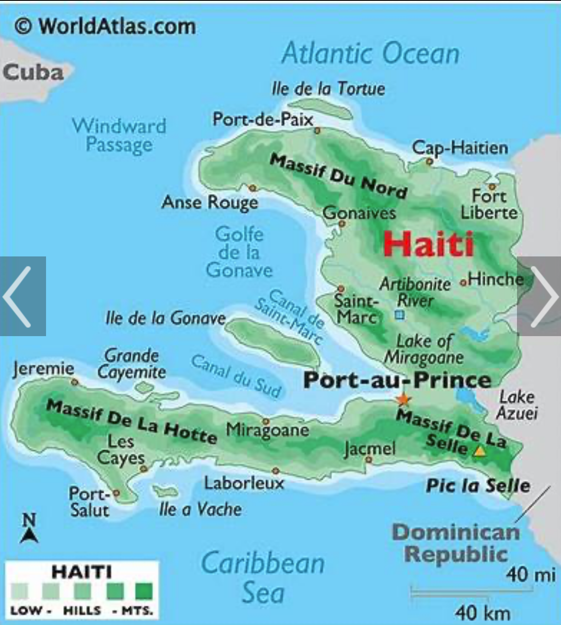
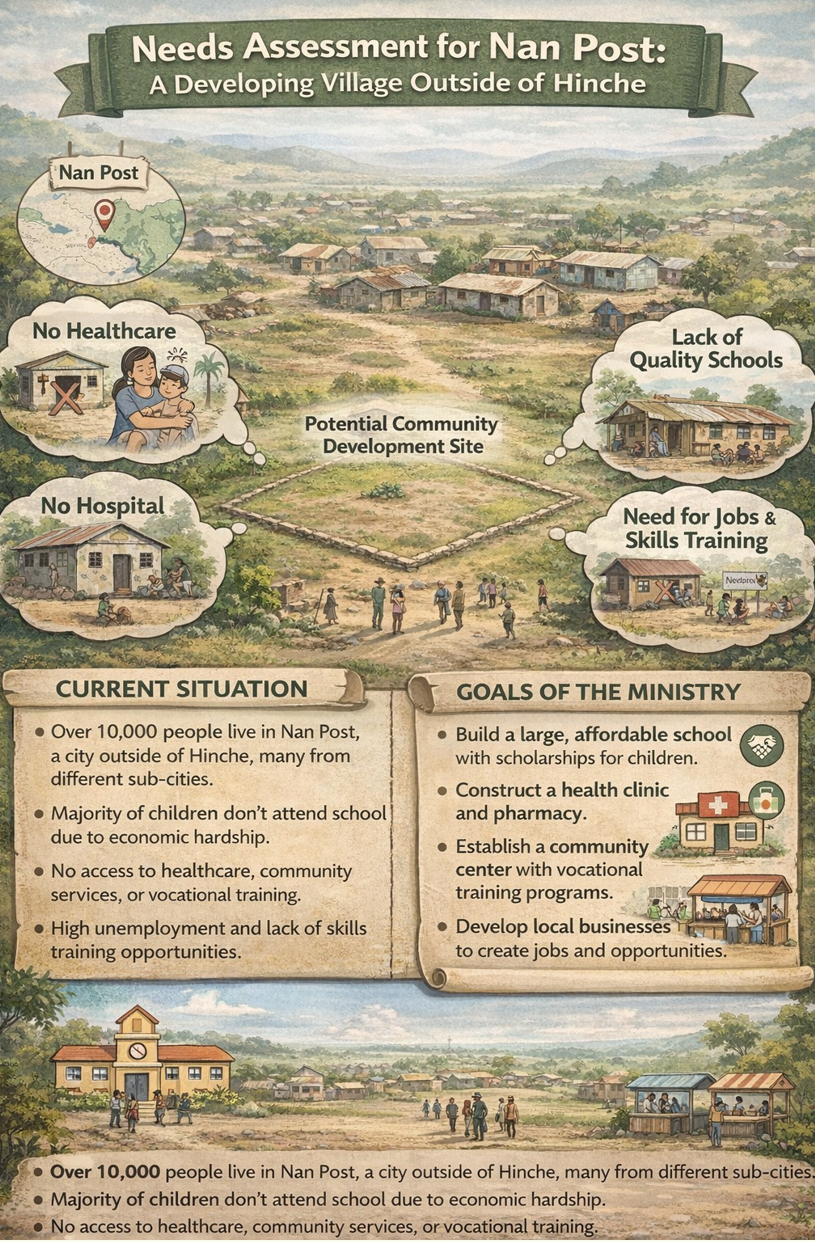
  • Perform survey of individuals in Hinche, Haiti to see what needs are; COMPLETED our first survey on 25 Feb ’26, have developed a video based on what we found; plan to conduct several other surveys
  • Perform drone flight over land working to acquire to establish a better understanding of what exists and how to develop it (maybe sometime during summer or prior to end of 3rd quarter of 2026, depends on donations)

All of the above has cost us around $20k and has been paid by our founding members

Goal 03:

  • Renting a home/ business office to facilitate getting Transforming Lives Through Ministry’s name out and about with the local community of Hinche (May/ Jun/ Jul ’26); rent will be for one (1) year, this would also include infrastructure such as a generator, drinking water/ bathroom facilities, etc. In addition it would include staff; estimated cost for start-up and a year of operation: $30,000 USD

Goal 04:

  • Have a mobile clinic day; have medic and supplies available for performing medical check-ups on those from Hinche area/ city (have with camera person to take photos and video); goal is to do this before end of 3rd quarter of 2026, however in order to perform, we need donations; cost TBD

• Setting up “Transforming Lives Through Ministry” in Haiti and the United States.
• For the United States, everything has been established; however, we are still working on obtaining our Non-Profit certification, which is expected to be resolved by February 26.

   The total cost of the above activities has been approximately $20,000, paid by our founding members.

• Conduct a survey of individuals in Hinche, Haiti, to assess their needs. During this, take photos of the people and their conditions (this information will be used on our website). The survey is scheduled for February/March 26.
• Perform a drone flight over the land we are working to acquire, to gain a better understanding of what exists and how to develop it. This is planned for March/April 26.
• Rent a home/business office to help promote Transforming Lives Through Ministry’s name within the local community of Hinche (February/March 26). This will also include infrastructure, such as a generator, drinking water, and bathroom facilities. Additionally, we will hire staff. The estimated cost for start-up and a year of operation is $18,000 USD.
• Host a mobile clinic day with medical personnel and supplies available to perform check-ups for those in the Hinche area/city. A camera person will be present to take photos and videos. This is forecasted for April/May 26.
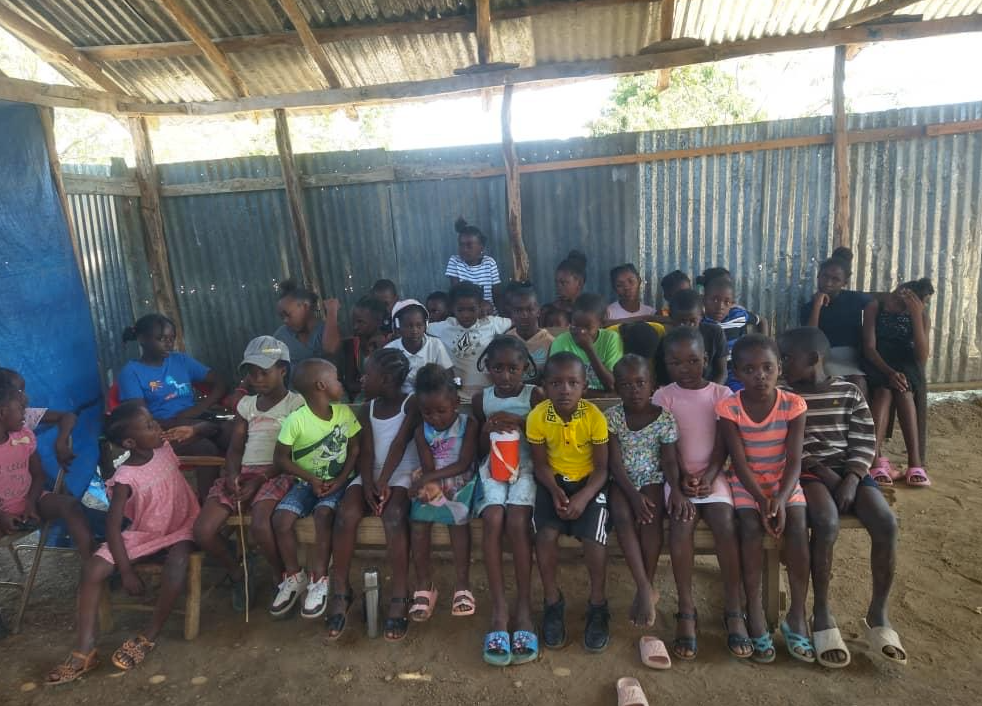
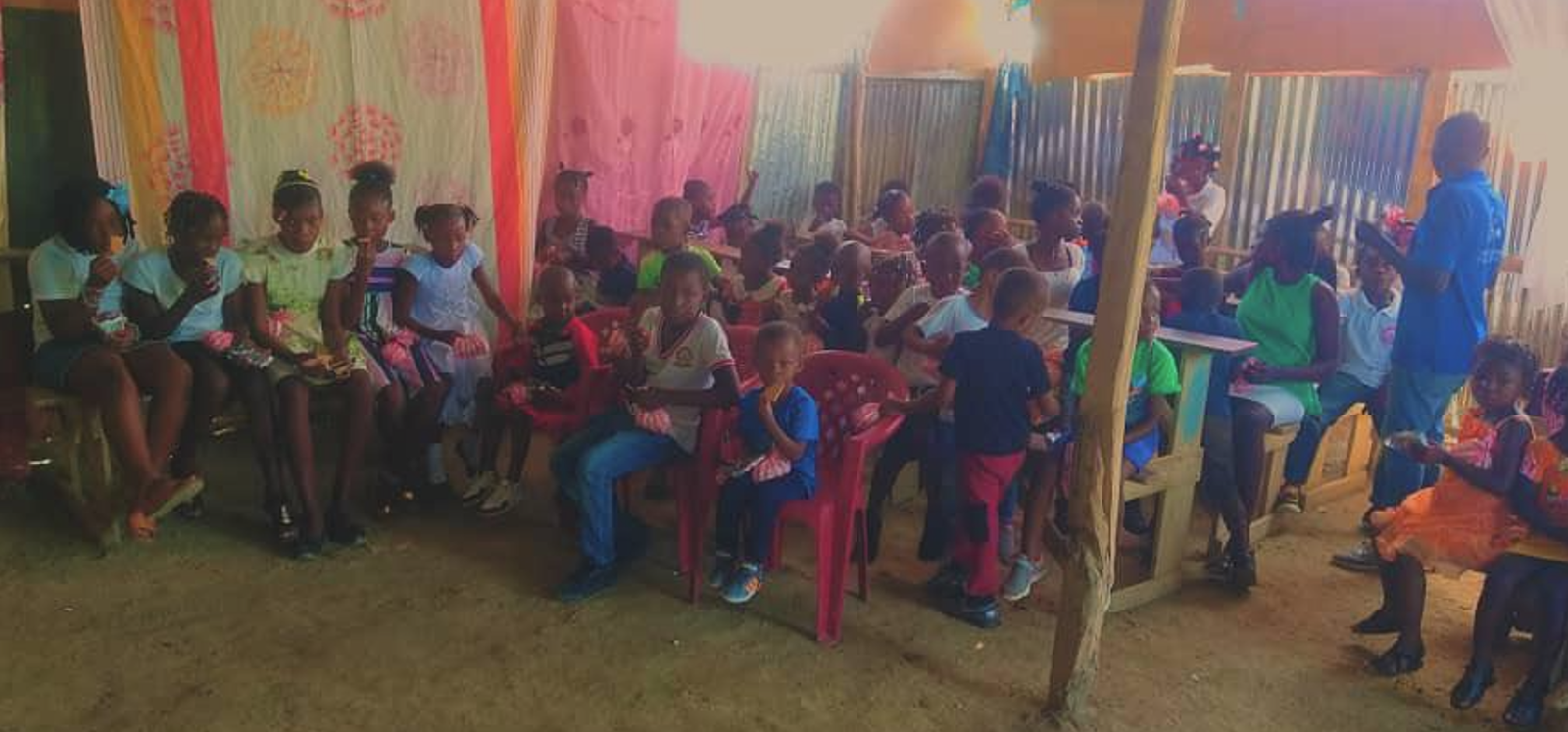
• Develop a Kids Club on the land we are looking to purchase (February/March 26).
• Organize environmental cleanup days on the land we plan to purchase, as well as other areas such as near the river in the city of Hinche (February/March/April 26).
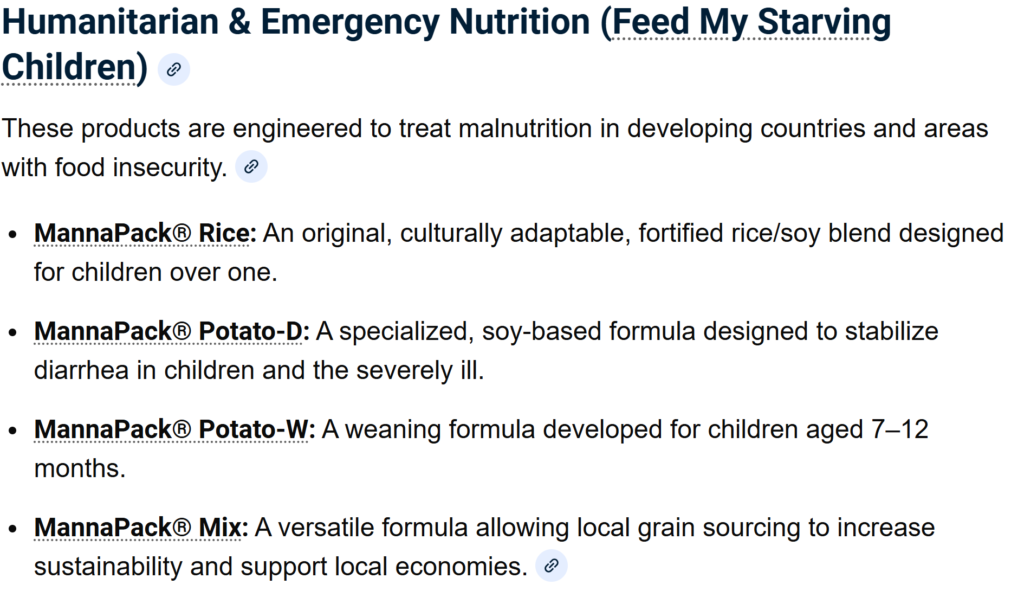
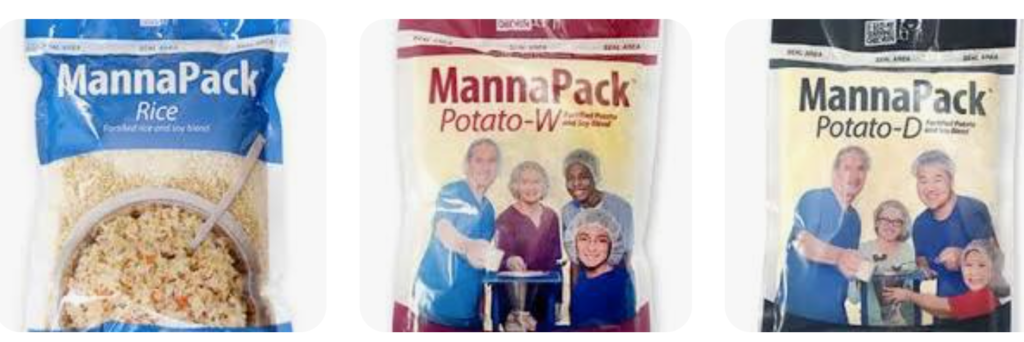
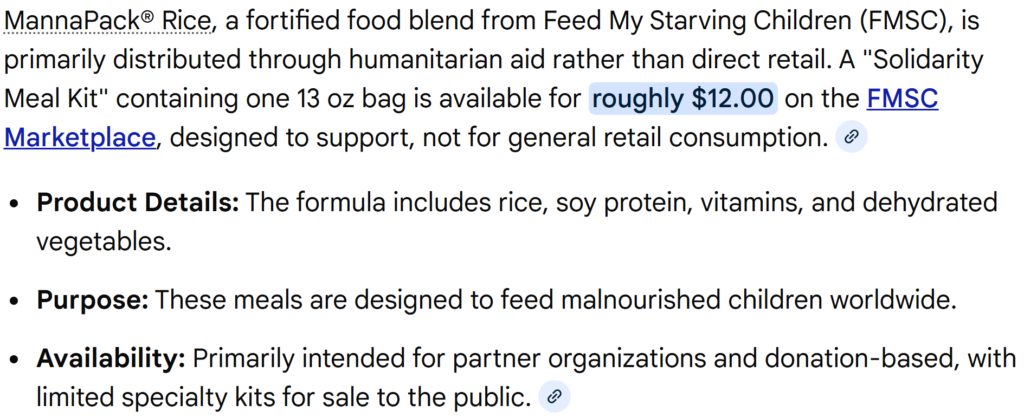
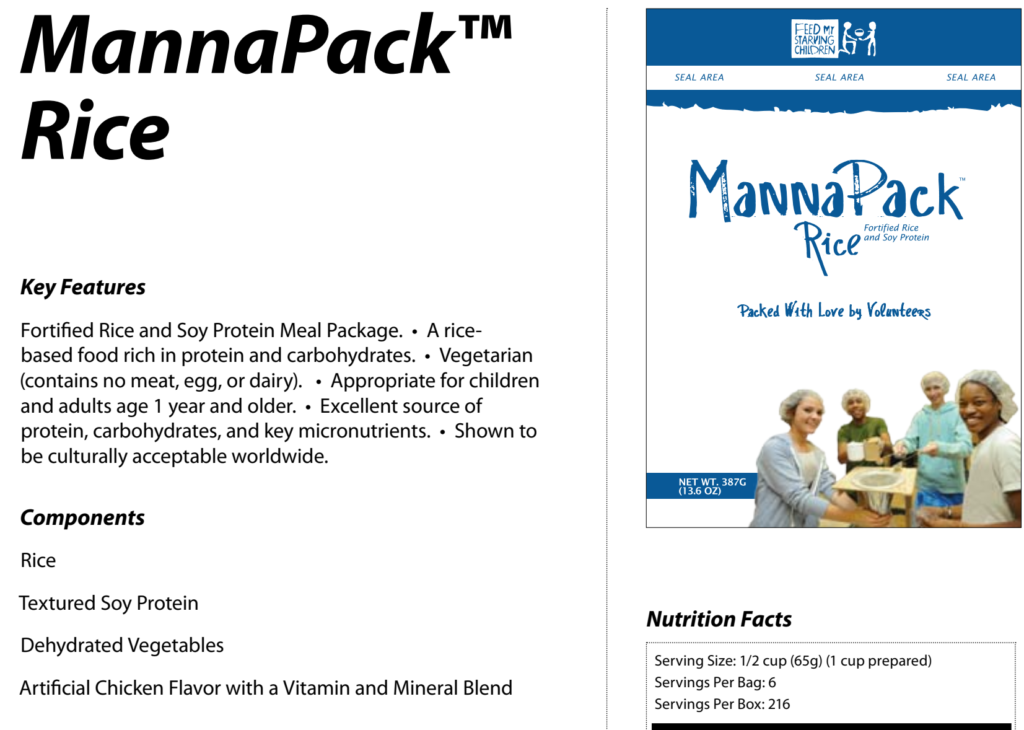
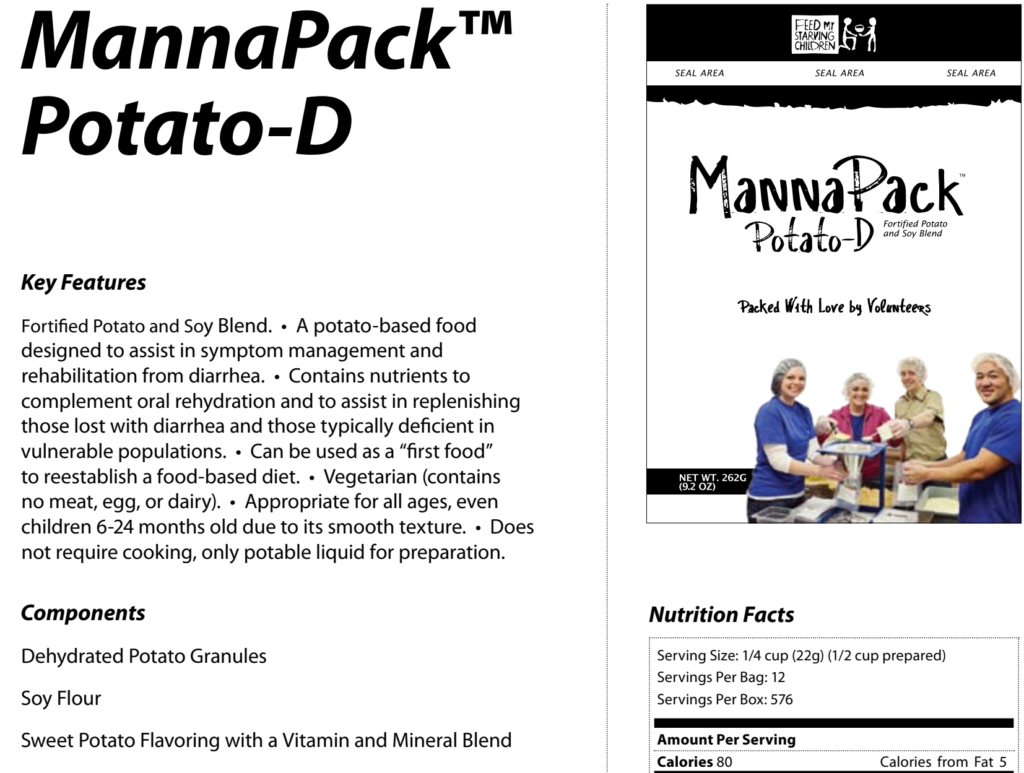
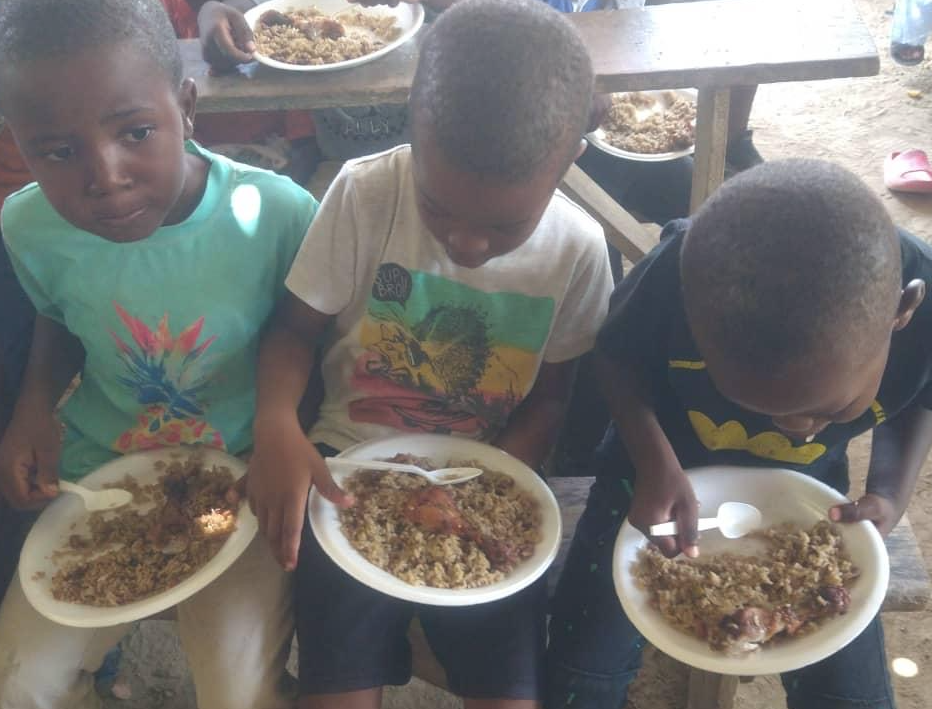
• Provide manna packs to families with infants aged 6 to 12 months. Each pack costs around $13 and provides 6 meals. The estimated cost for this initiative is $12,000 USD.


• Obtain Haitian Creole Bibles; these Bibles could cost up to $50 each for large print. We aim to acquire at least 300 copies to start, totaling around $15,000 USD.
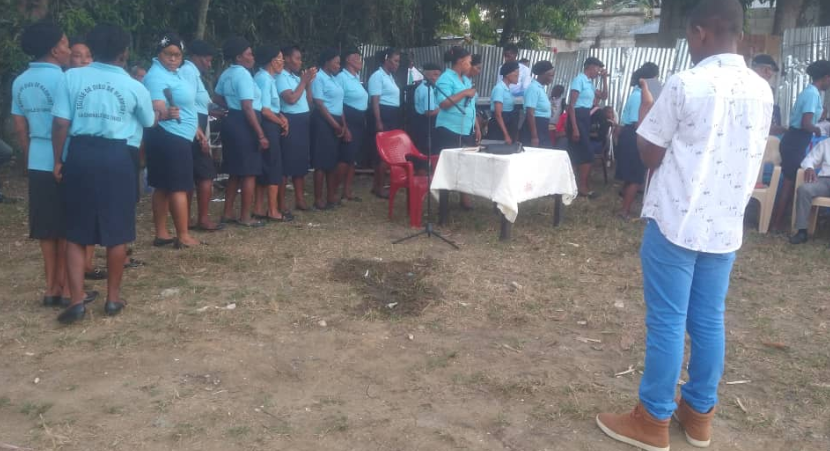
• Obtain Haitian Creole hymnals; these hymnals range in cost from $40 to $60 each. We aim to acquire at least 300 copies to start, totaling between $12,000 USD and $18,000 USD.
• Pioneering food formulas are scientifically crafted, nutrient-rich products aimed at addressing severe malnutrition and specific health issues. Notable examples include FMSC’s MannaPack® (a blend of rice, potato-D, and mix), plant-based, dairy-free, and soy-free infant nutrition, along with specialized real-food enteral (tube-feeding) formulas. These innovations prioritize high-quality ingredients, bioavailability, and sustainable, locally sourced materials to enhance health outcomes.

• Kids Club, held every Sunday, at $100 per event for 52 events (52 weeks); Total: $5,200.

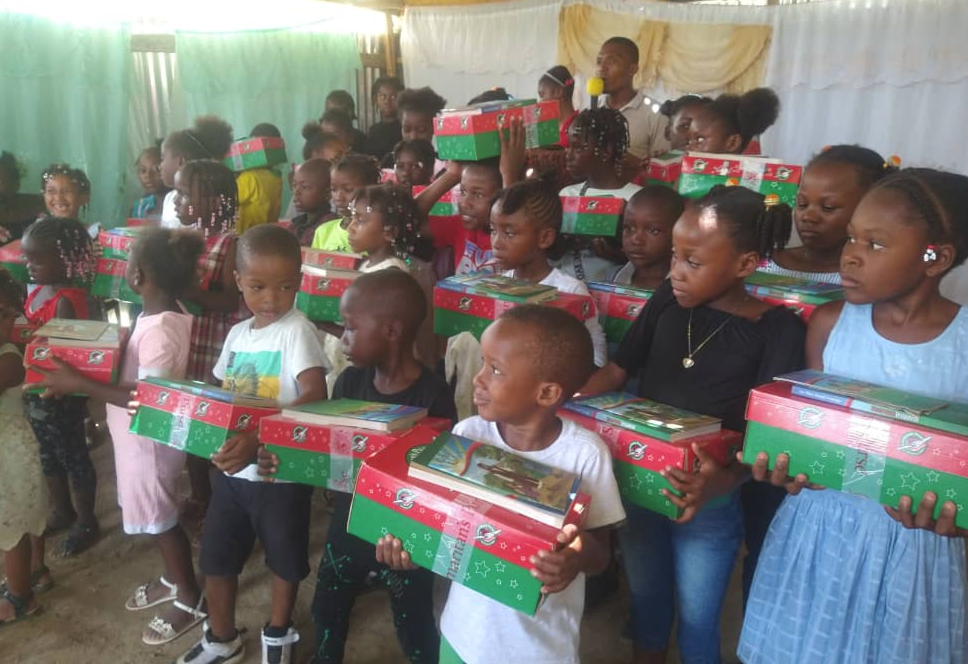
• Vacation Bible School (VBS), held once every quarter (4 times per year); offered on Friday and Saturday; $1,000 per event, for a total of 4 events; Total: $4,000.

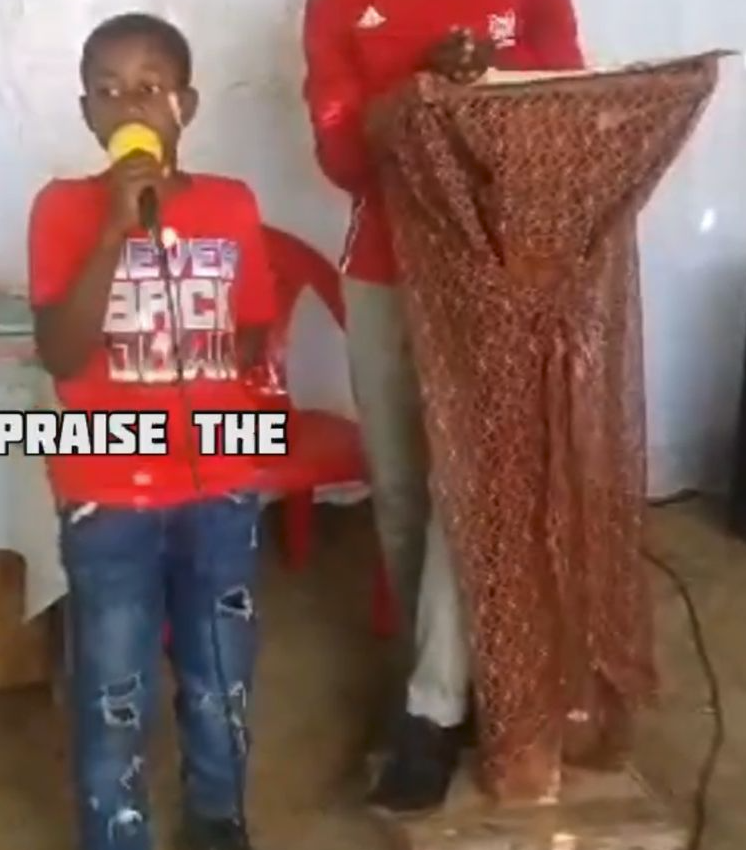
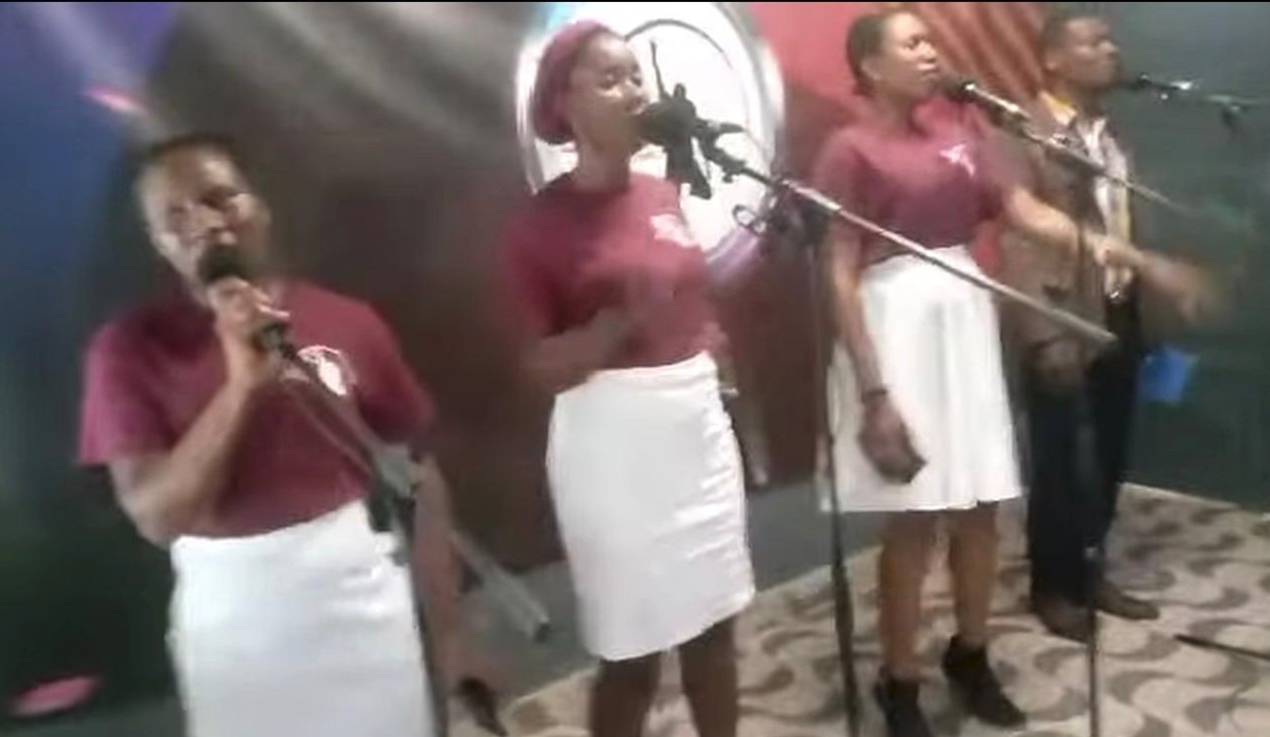
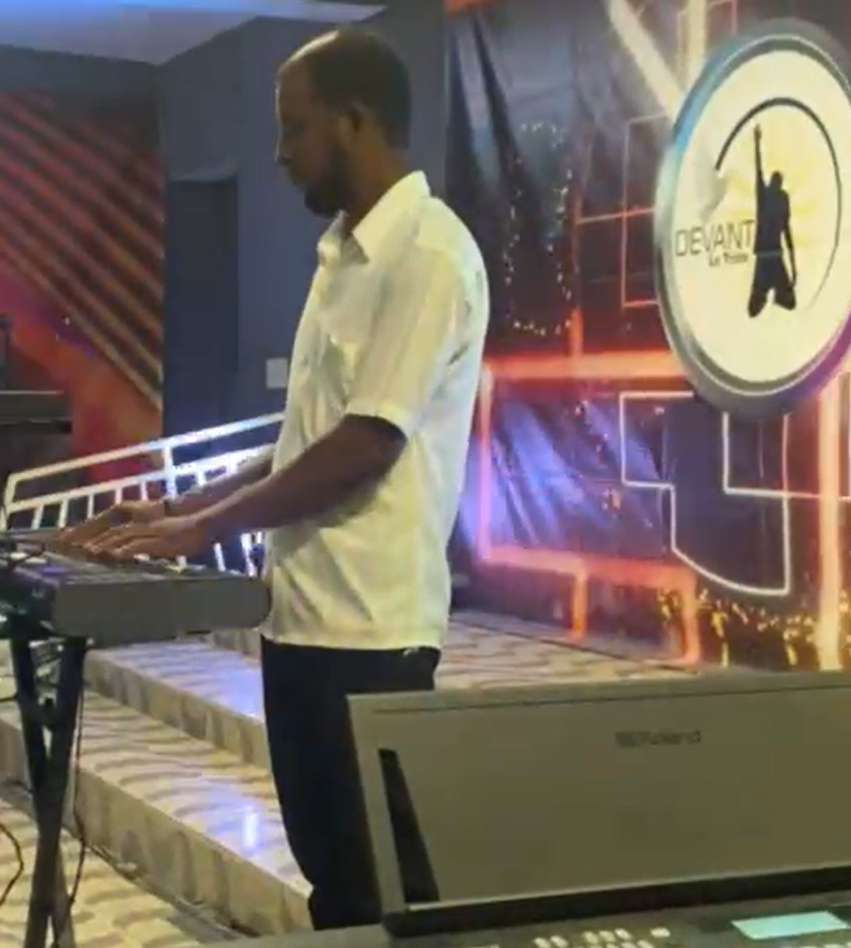
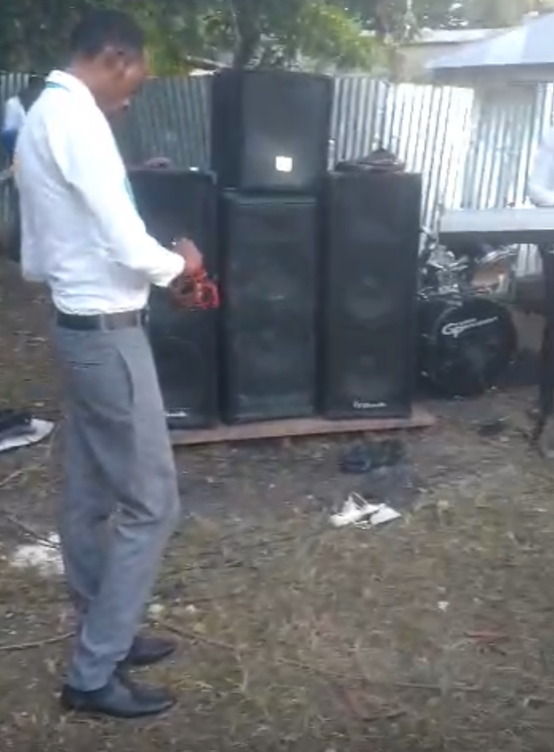
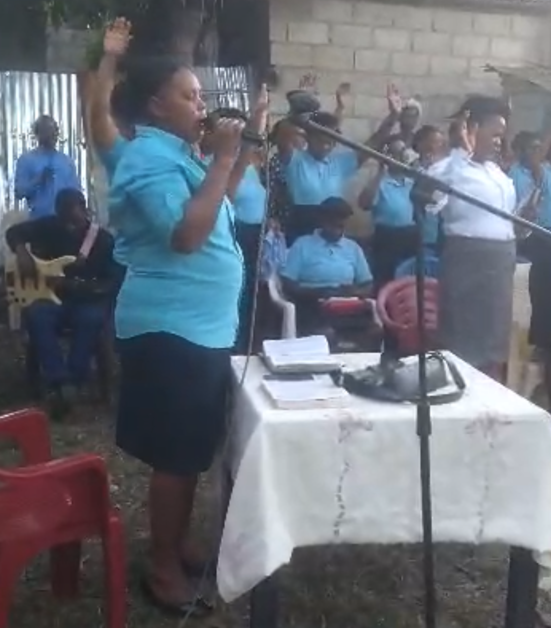
• Words of Ministry through Choir/Band (equipment required for performance); estimated cost: $3,000 to $5,000.

The above reflects where we are at this time; the following outlines where we are praying to reach.

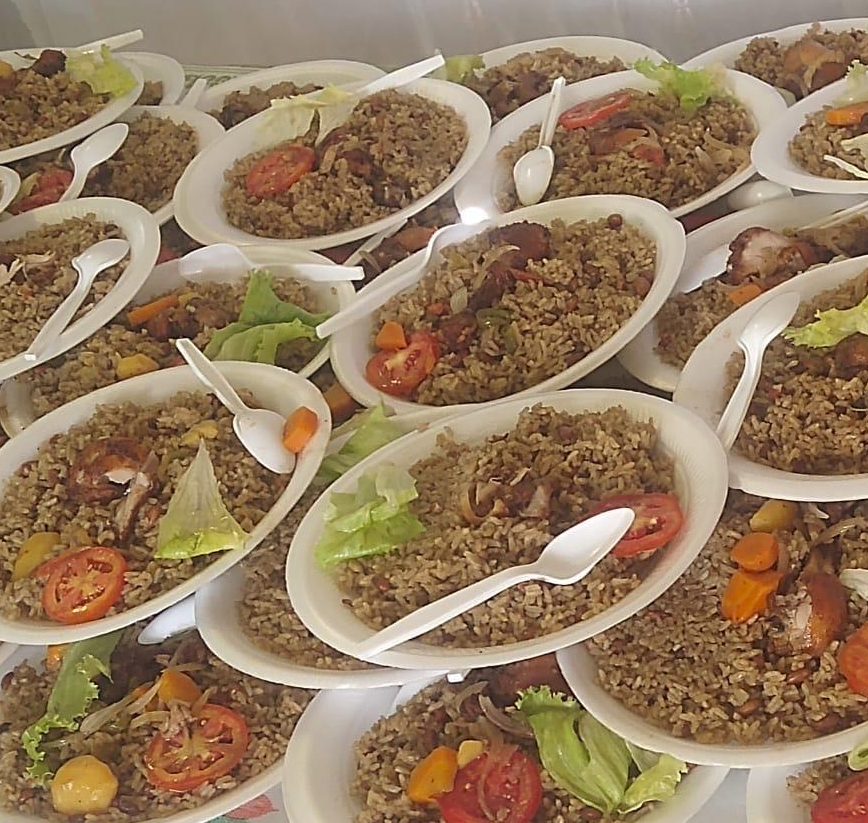
• Musical events with dinner on or around Christmas, Easter, and Haiti’s Independence Day; approximately 3 to 5 events. Estimated cost: $1,000 per event, total: $3,000 to $5,000.

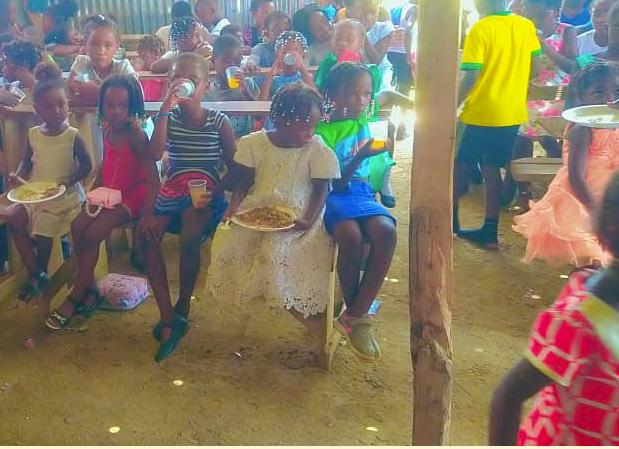
• Sunday Services, held every Sunday, totaling 52 services per year, at $200 per service (covering the cost of feeding and caring for the people).

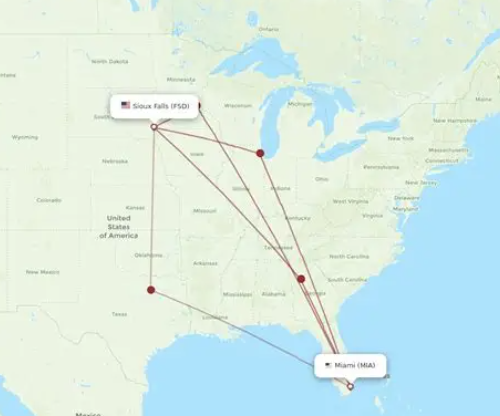
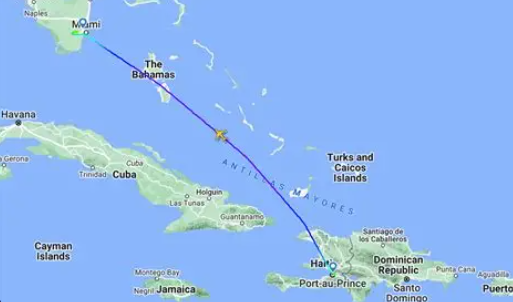
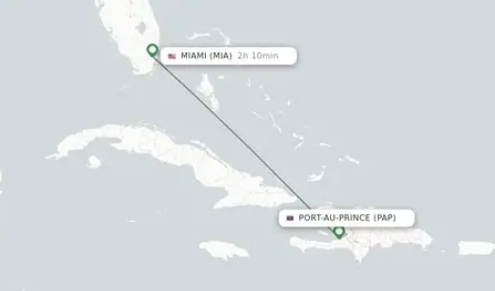
• Travel to and from Haiti by staff from the United States and Haiti, with visits occurring quarterly (4 times per year). Up to three members may travel each time. The cost includes flights, lodging, transportation, meals, and incidentals. Travel will be a minimum of one week due to distance. Estimated cost: $3,000 per person per trip. Calculation: $3,000 × 3 (staff members) × 4 (trips per year) = $36,000. Flights will be from Sioux Falls, South Dakota to Miami, Florida, then from Miami to Port-Au-Prince International Airport, with the return journey following the same route.

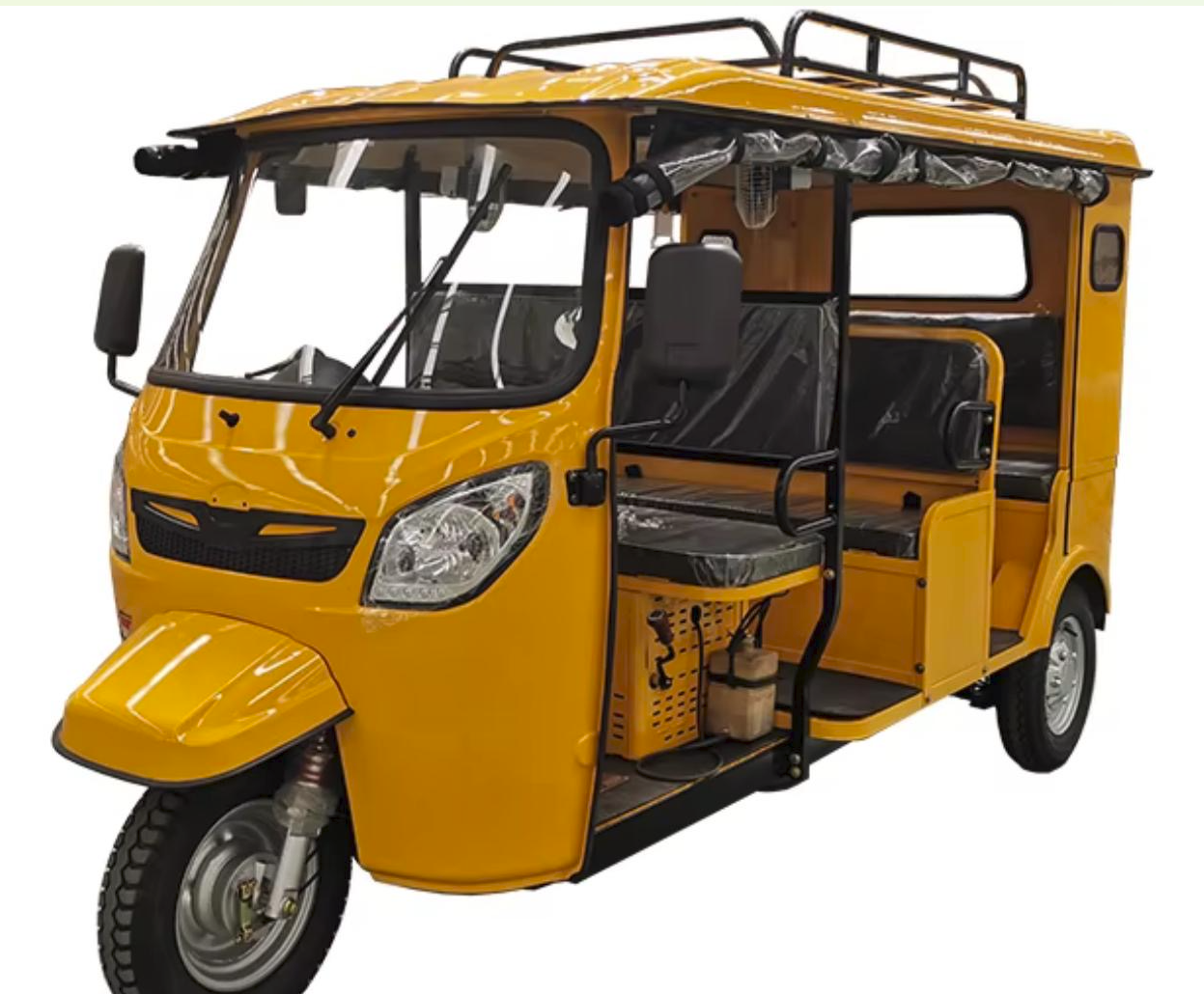
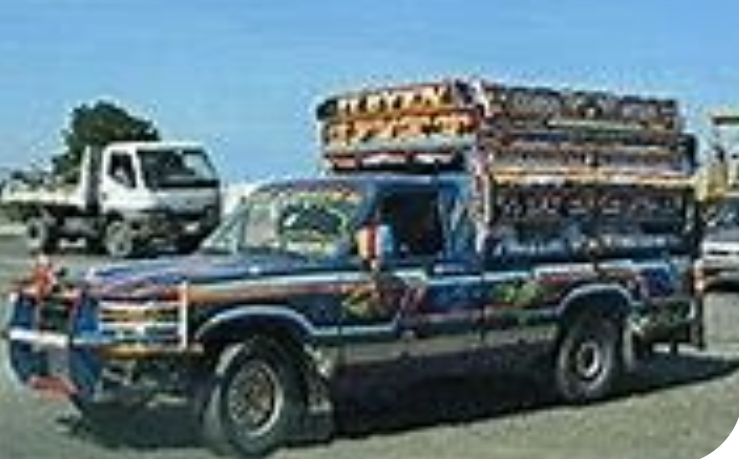
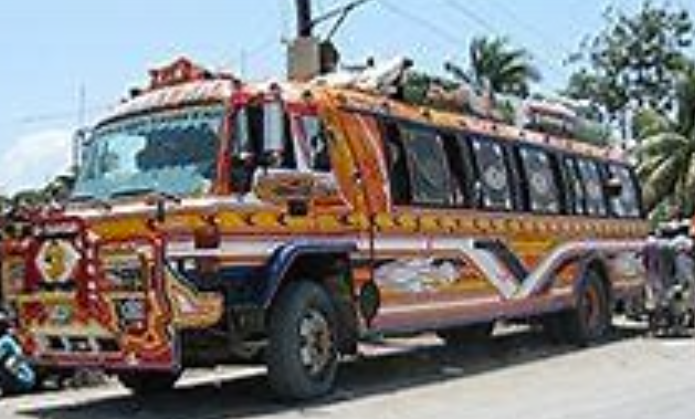
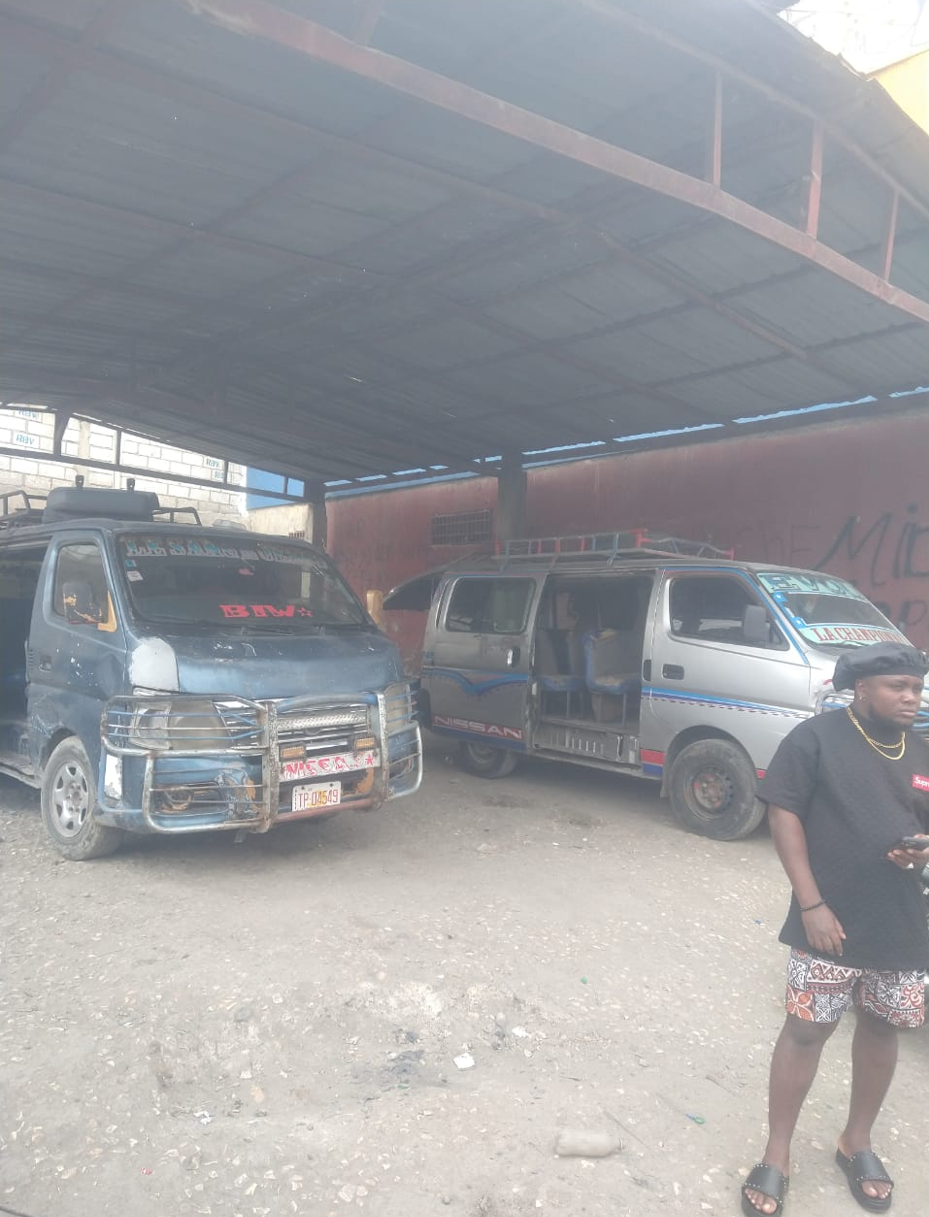
• Purchase motorcycles or other types of taxis (such as a Tap Tap or mini bus, similar to those made by Volkswagen) to transport children and adults to various activities at the church, church grounds, and school, as well as to assist in moving people for day-to-day living needs. The goal is to obtain at least 4 of these vehicles, preferably Tap Taps. The cost for these vehicles ranges from $5,000 USD for a motorcycle taxi to around $20,000 for a mini bus (on average, the cost for a mini bus can exceed $80,000). Therefore, if we acquire 4 vehicles, the total cost would range from $20,000 to $80,000 USD.
Shelter/location to park/store the motorcycle taxis, Tap Taps, or minibuses (depending on the number of vehicles acquired, storage will be needed).
• Support for staff, offices, and utilities in the United States and Haiti.

  • In the United States: President, Vice President, Counselor, Admin.
  • In Haiti: Core Coordinator, Pastor, Treasurer/Counselor, Admin.
    Estimated cost: $380,000 to $400,000.

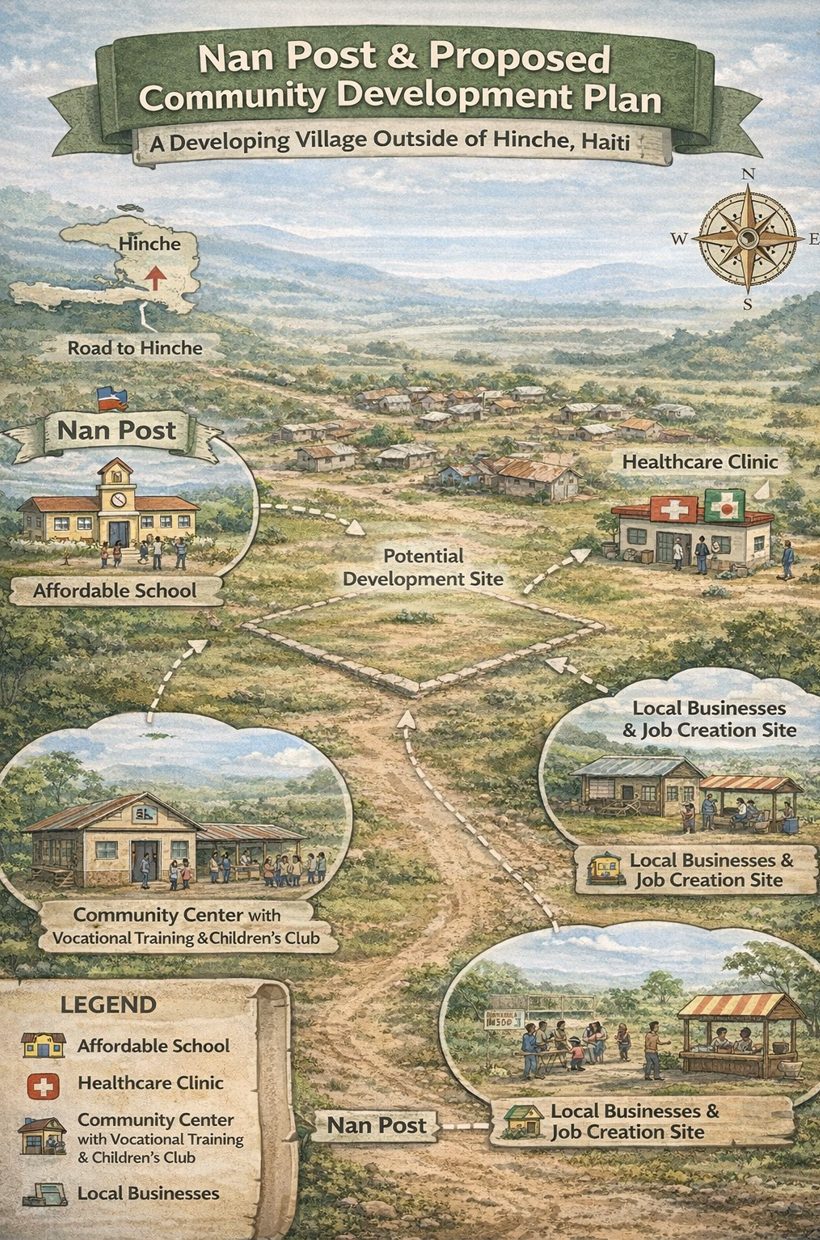
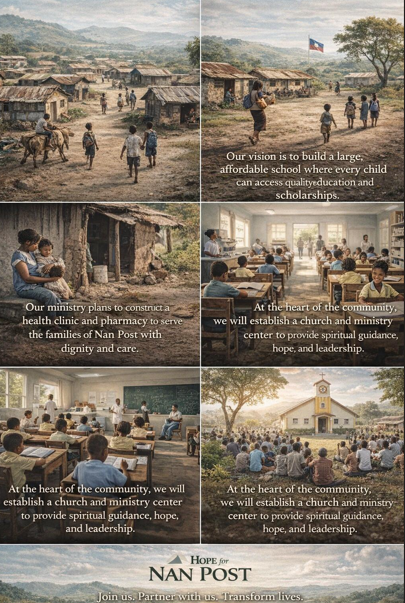
Land, infrastructure, and facilities to support the vision of the Ministry.

The goal/ objective/ vision for the land

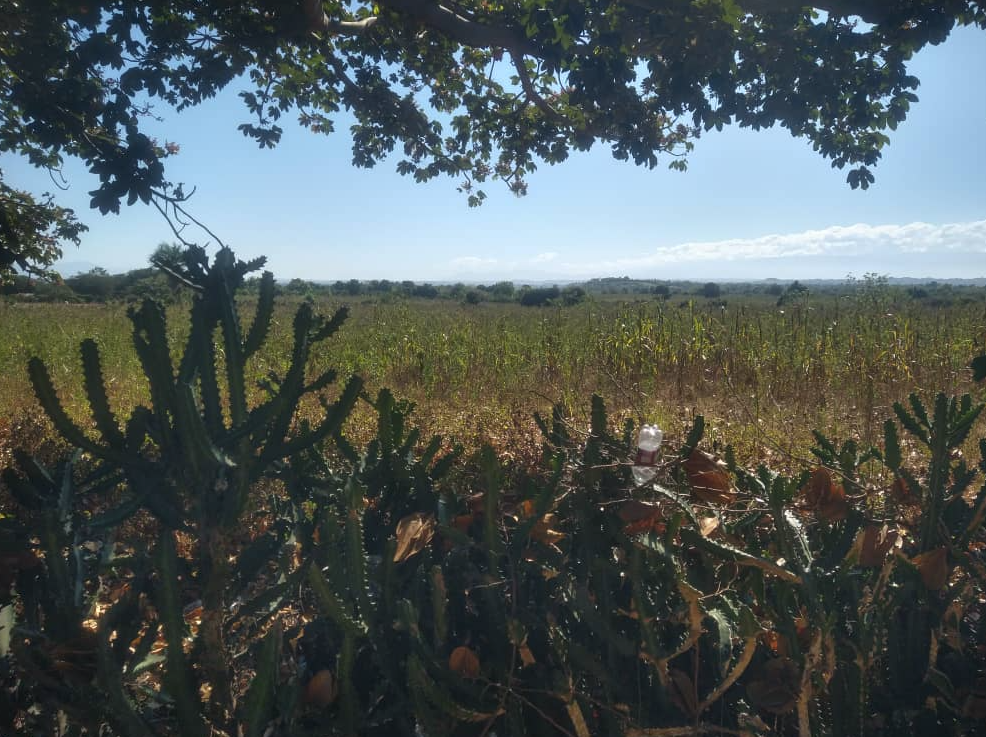
Land:

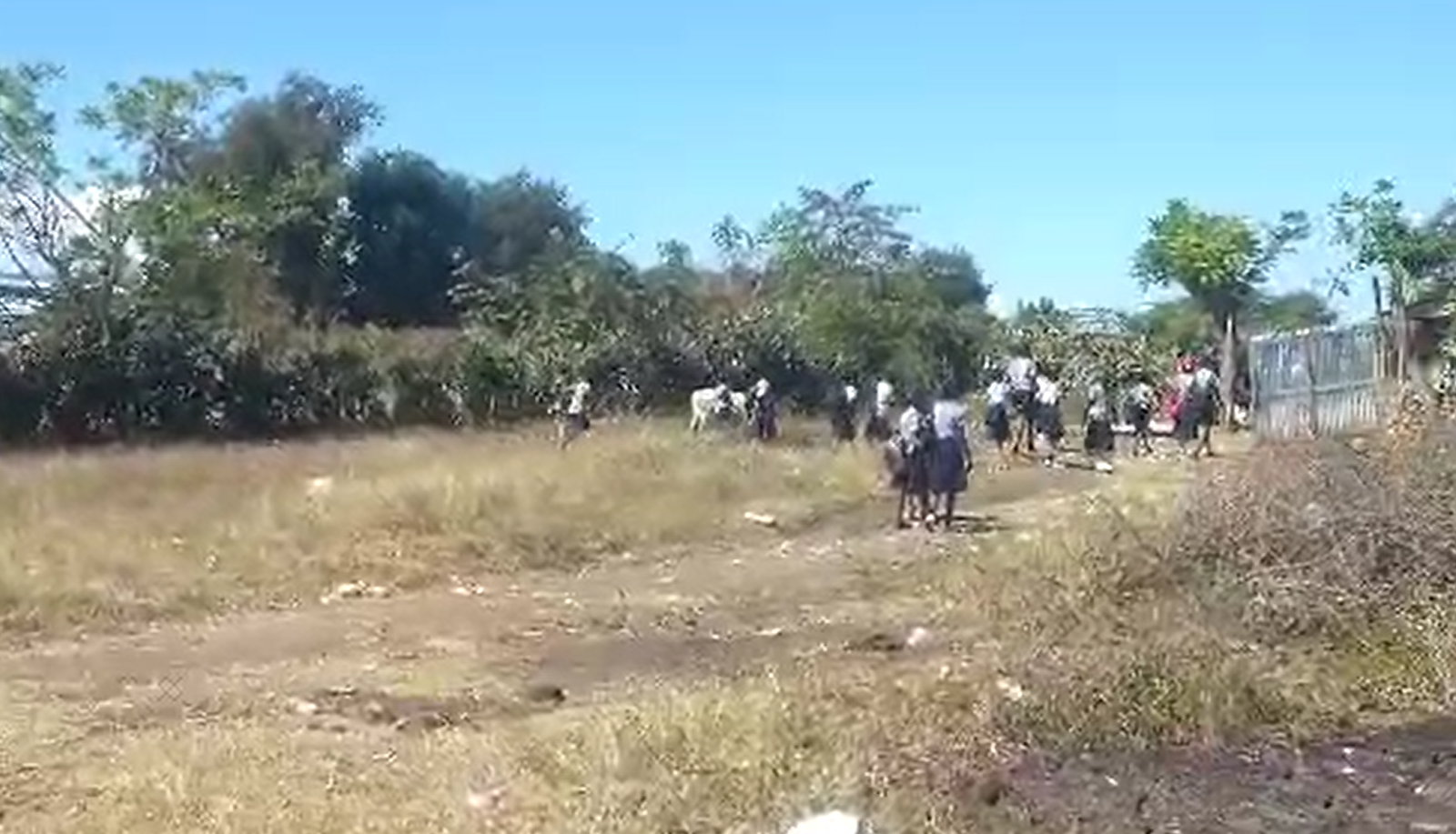
Road To Location
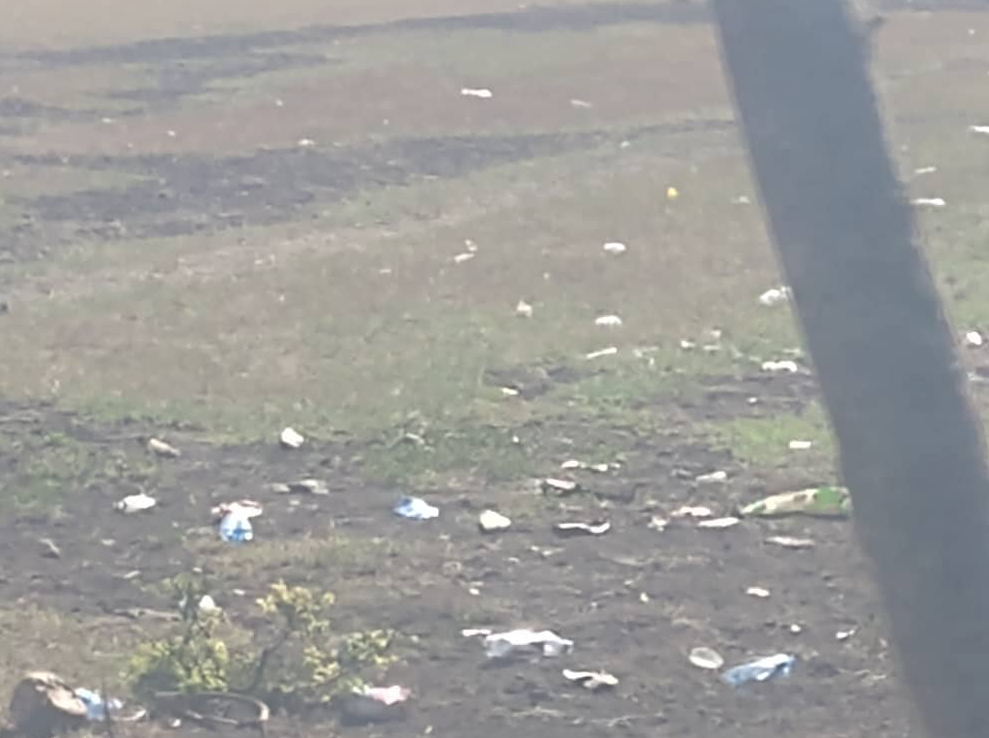
Land
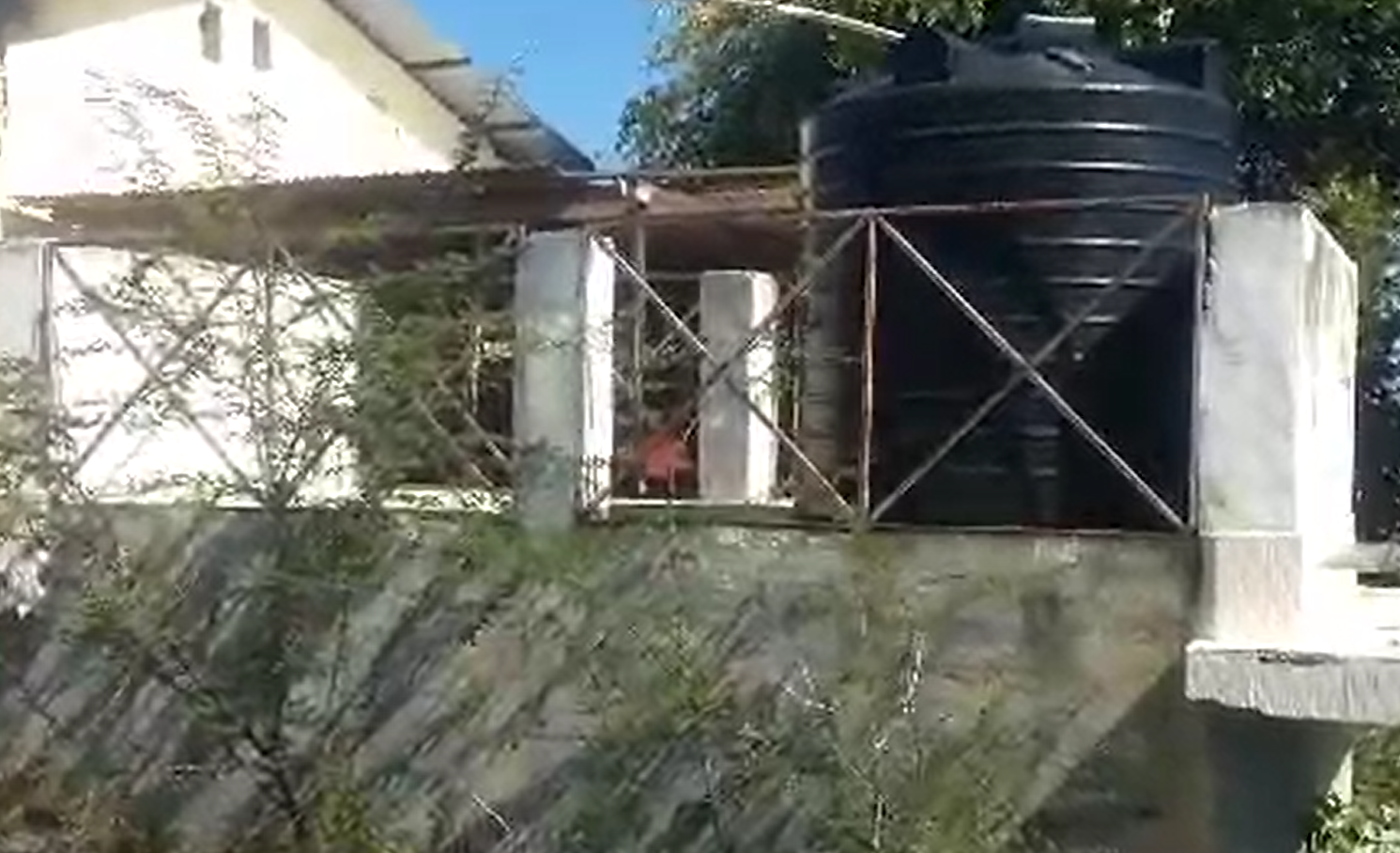
Existing water storage
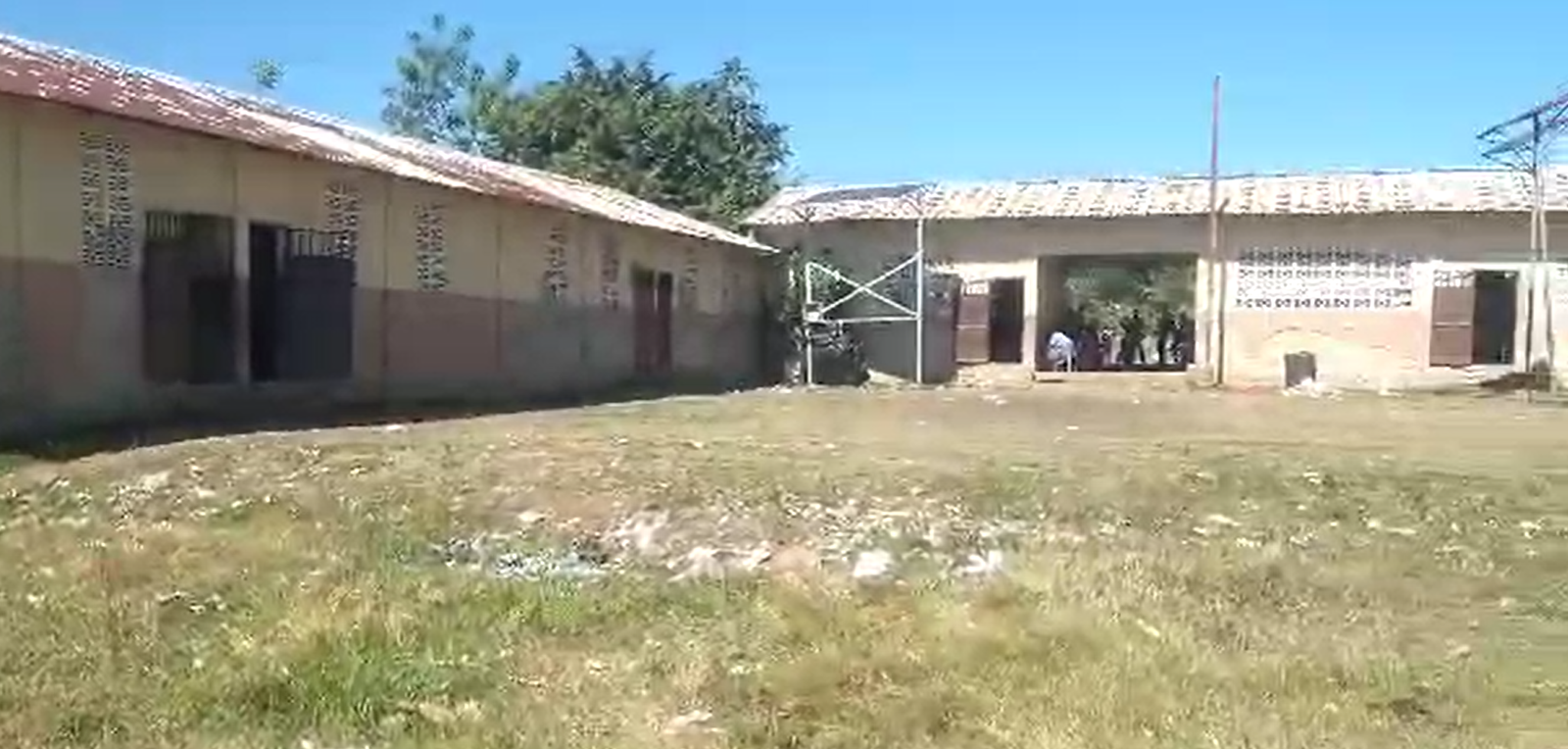
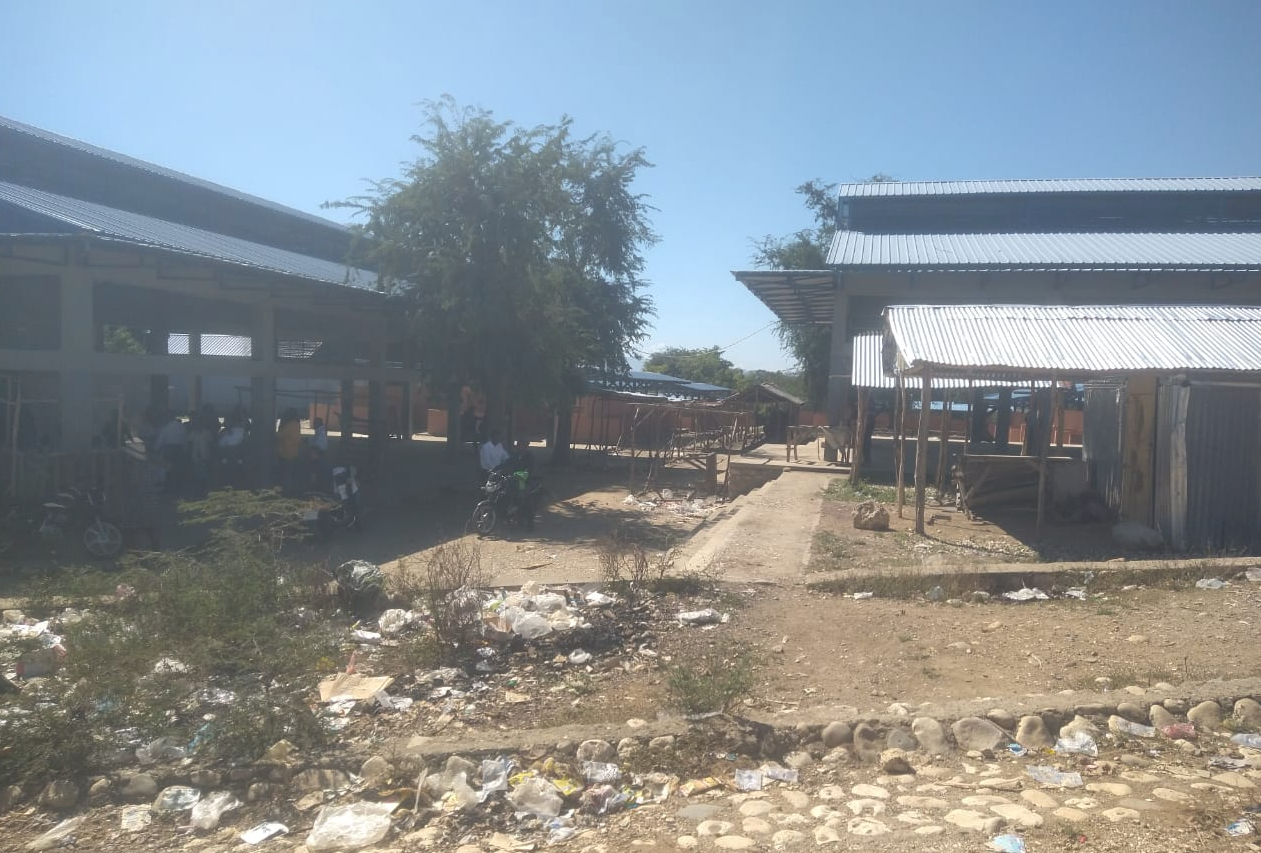
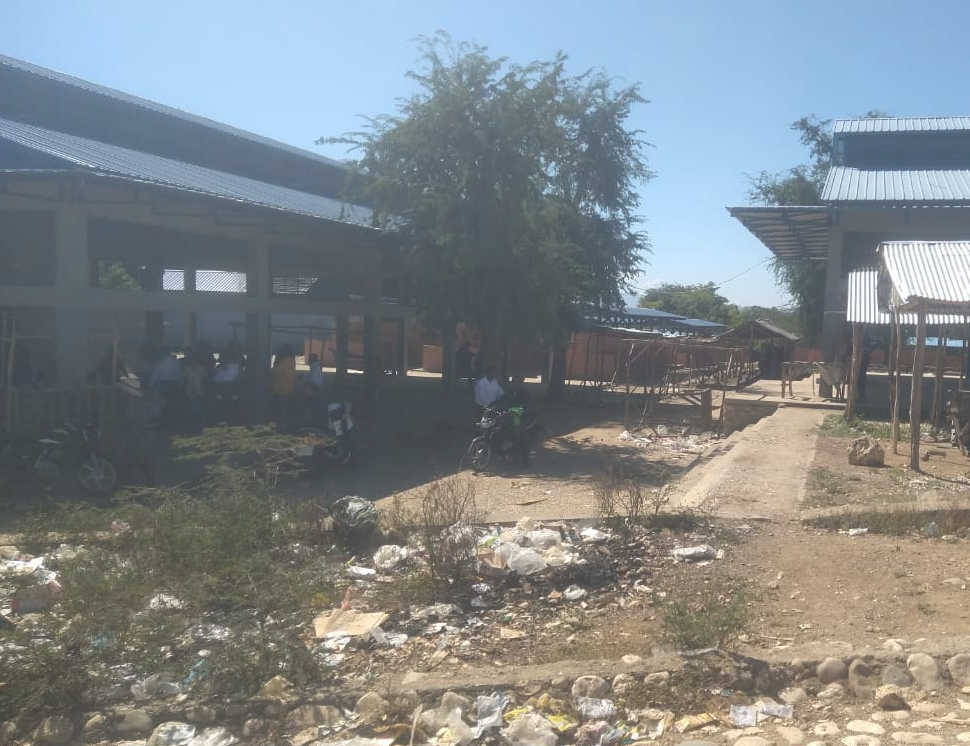
Existing buildings that might be useable
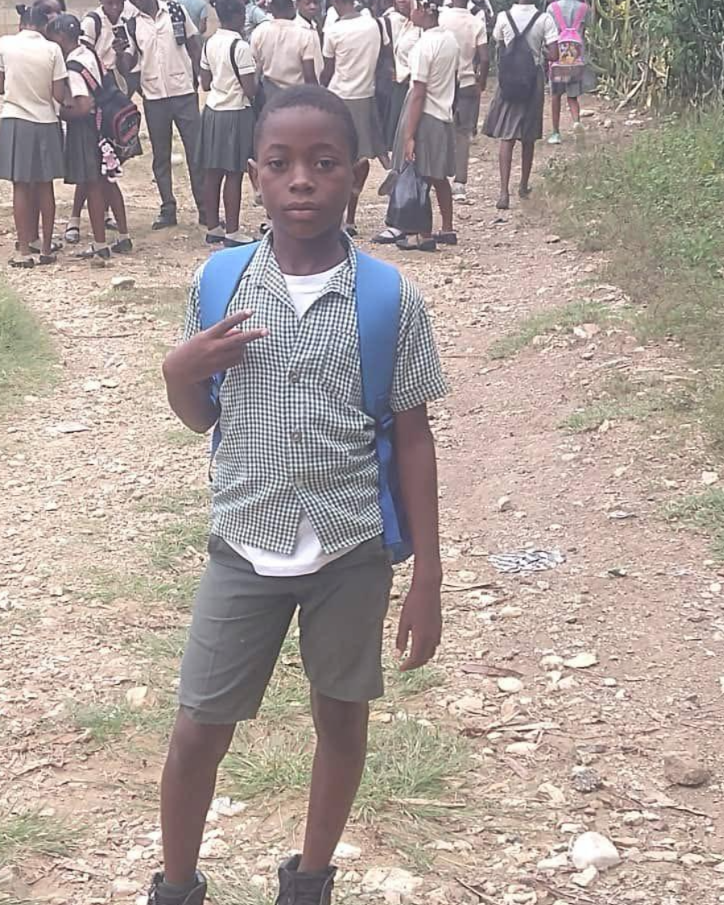
The Children of the community
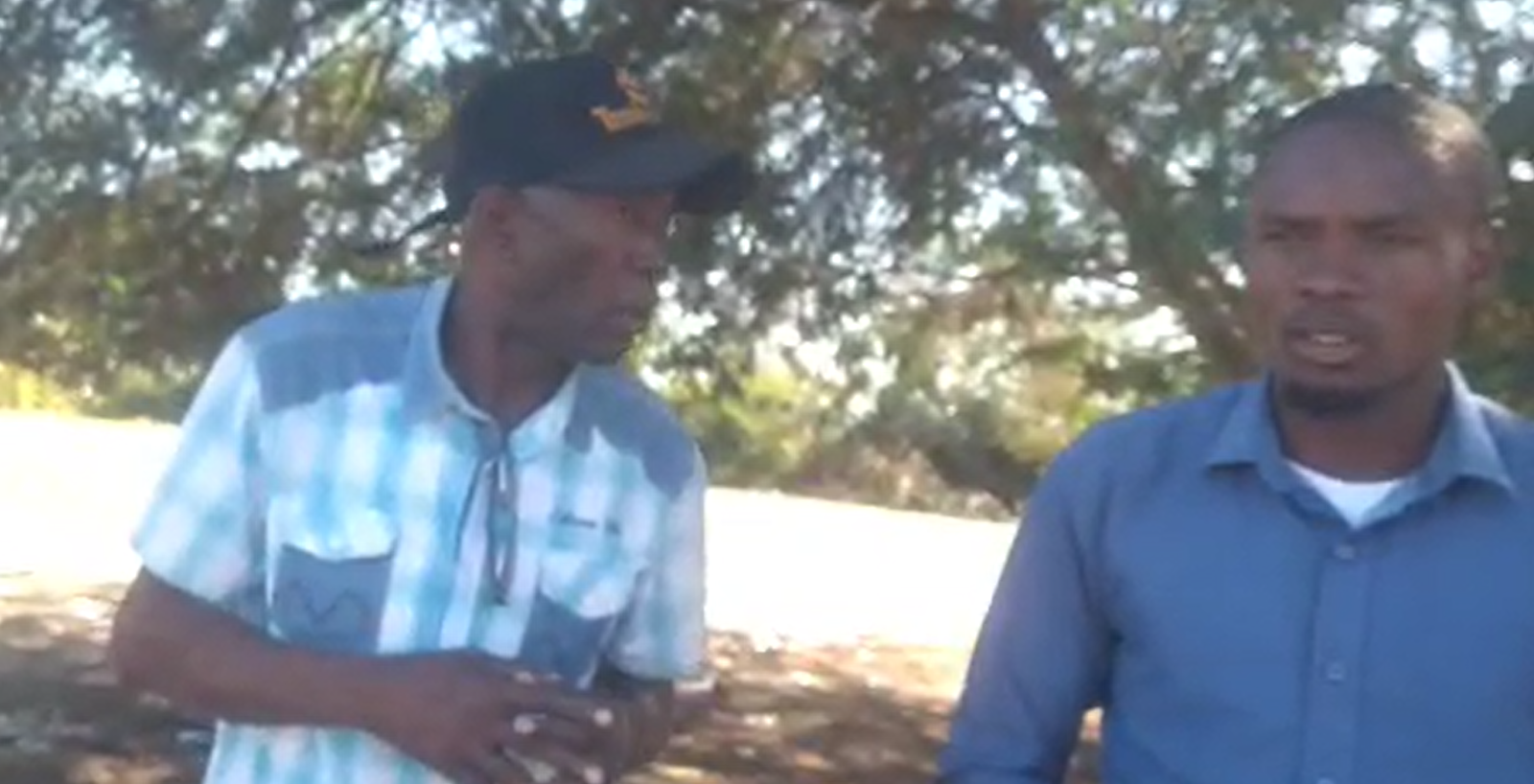
Our Core Coordinator talking w/ Officials

Land: We have identified one parcel and made a small down payment to encourage the government to perform necessary duties (the land/facilities are as described above).
Road: We may need to pave or asphalt the road to ensure better, unrestricted access to the facilities we aim to build.
Utilities: The utilities should be versatile enough to initially support a small number of individuals (50 to 100) and later grow to accommodate up to 3,000 or more.

  • Water well
  • Water purification plant: This includes storage tanks, pumps, pipes, pipe supports, valves, and level gauges, as well as consumables in the process (sand, charcoal, salt, etc.).
  • Sanitary system: We will explore the possibility of repurposing water from the facility, such as for fire suppression or bathroom/restroom use.
  • Storm drain system: To ensure proper drainage during and after rainstorms or hurricanes.
  • Garbage disposal: We will review options for recycling and repurposing, including segregating paper, plastic, cardboard, wood (considering an incinerator), metal, glass, etc.
  • Power for the facilities: Investigating options including, but not limited to:
    • Solar panels/inverter
    • Wind energy
    • Battery storage system (connected to solar and wind)
    • Diesel generator/fuel tank/bunded area for the tank(s)
    • Quick disconnect/transfer switch
  • Internet: Investigating satellite system options.

Church:

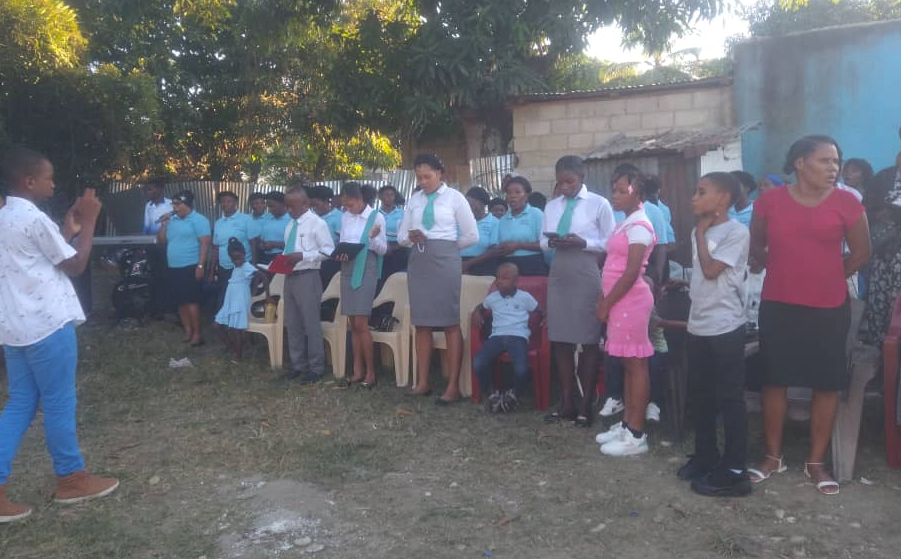
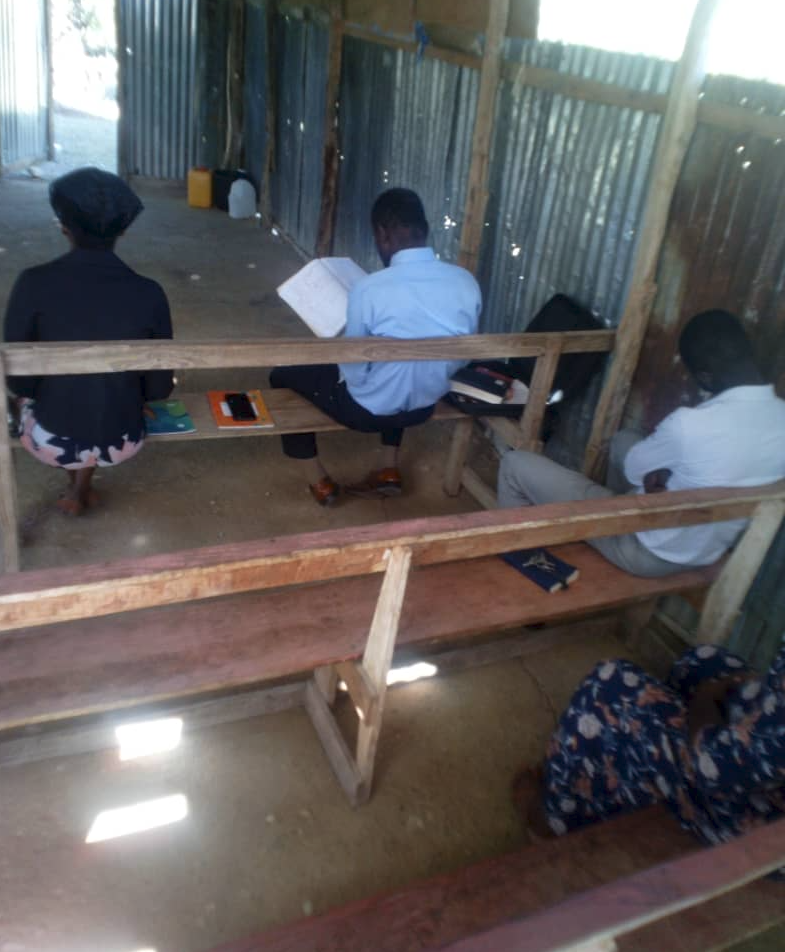
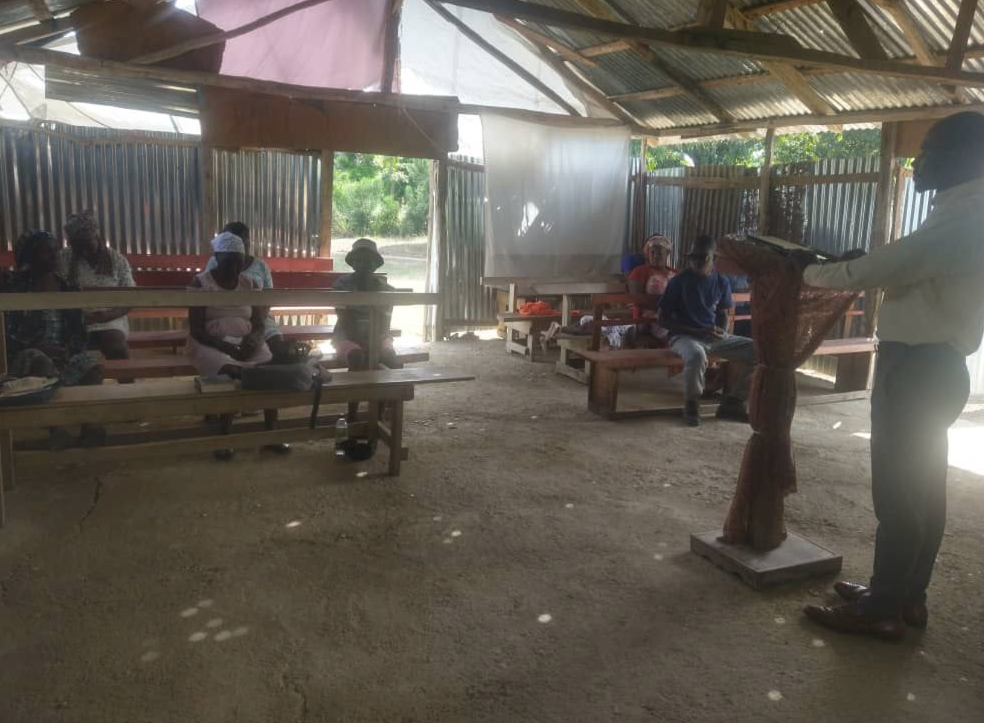
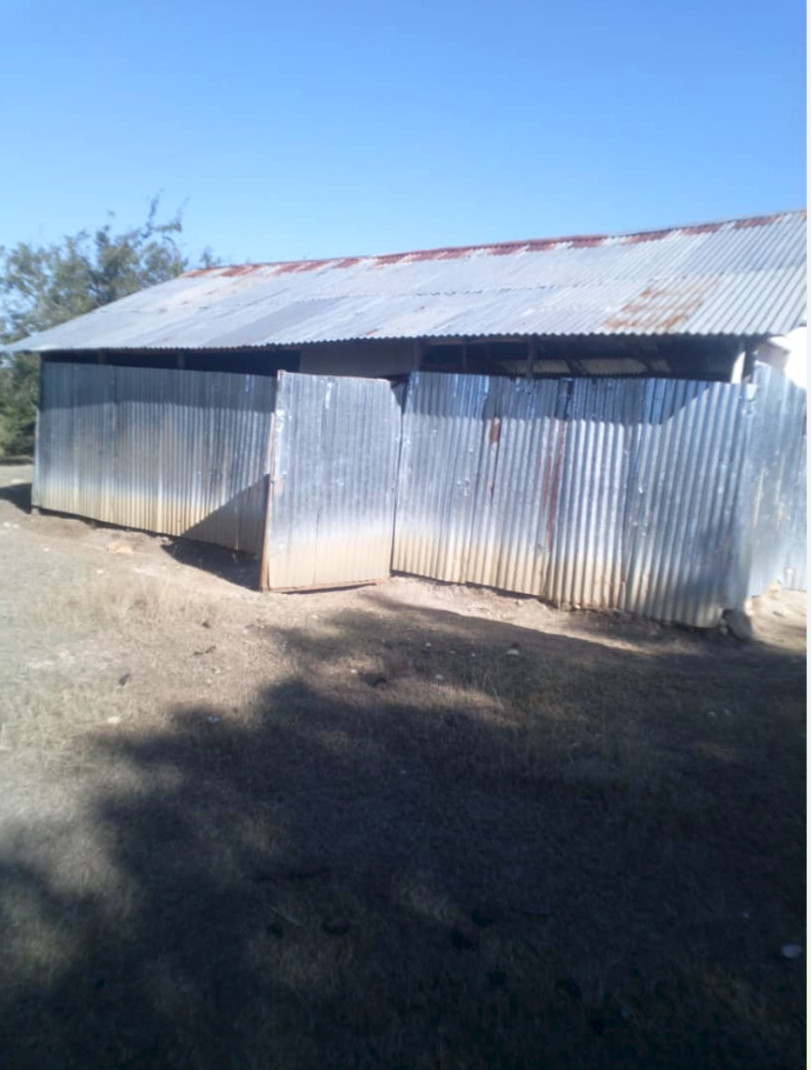
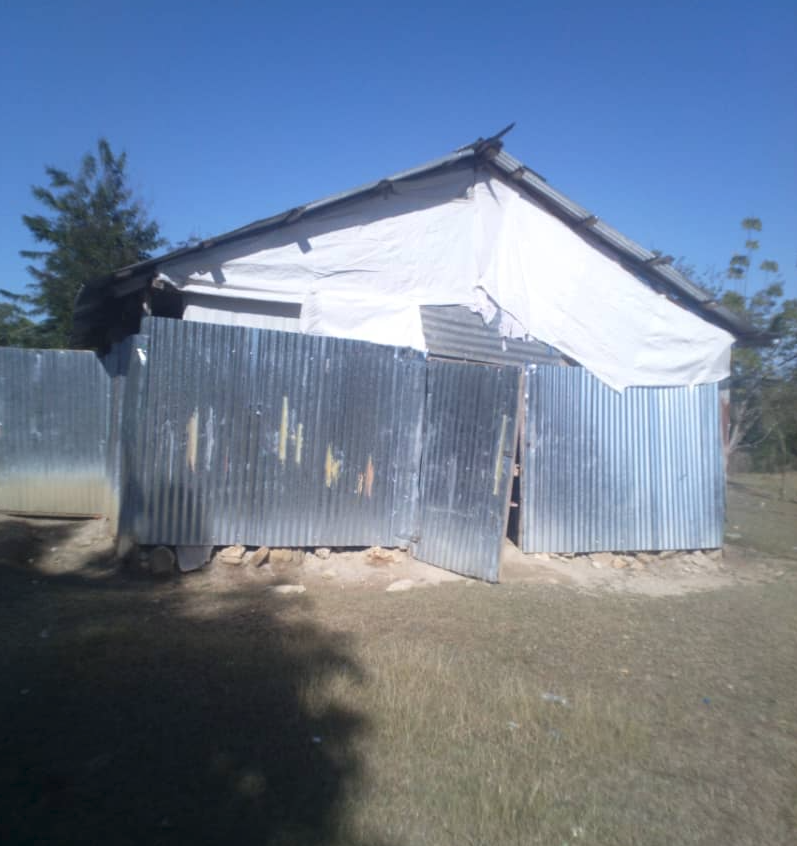
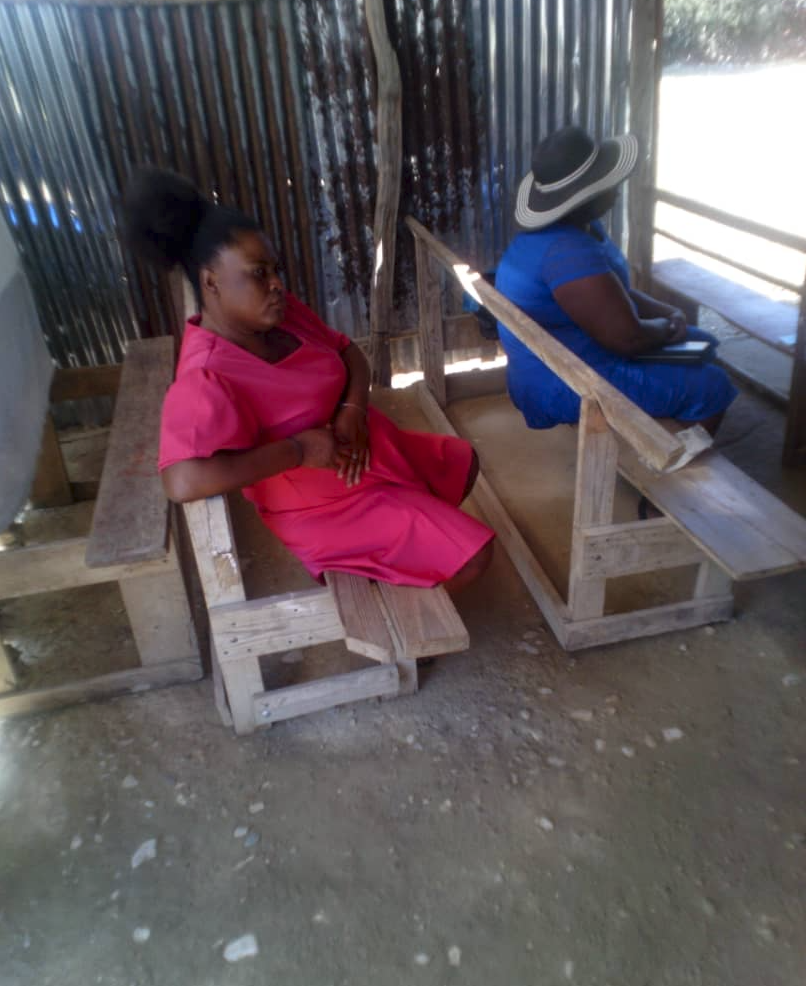
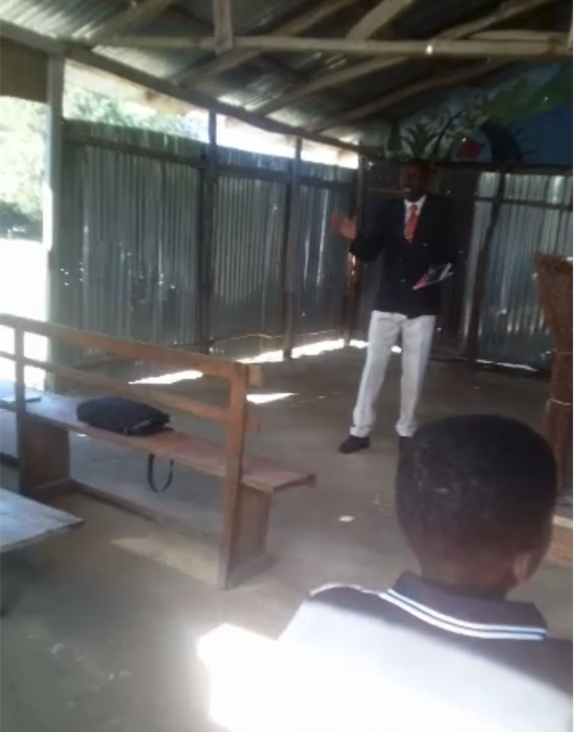
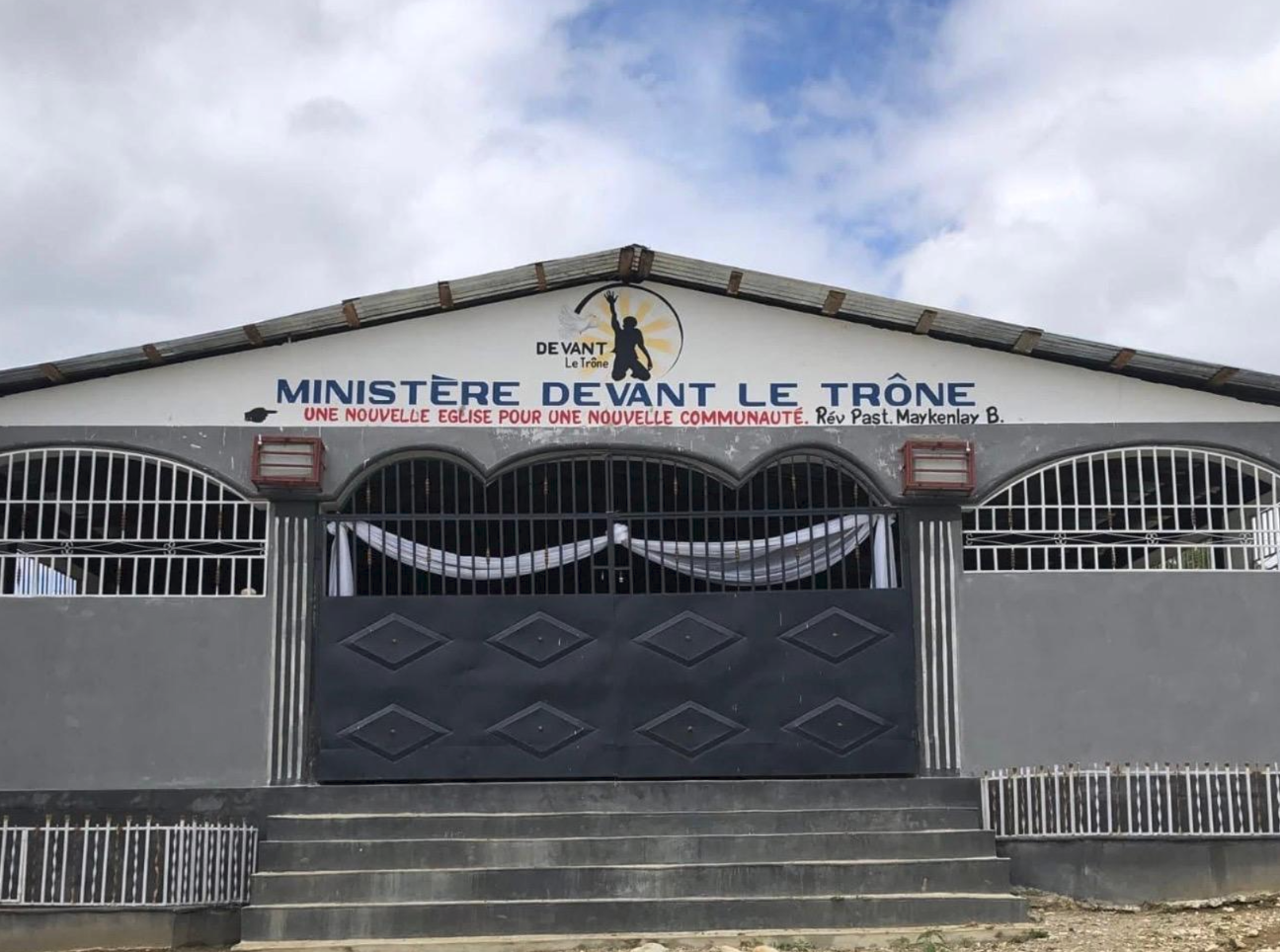
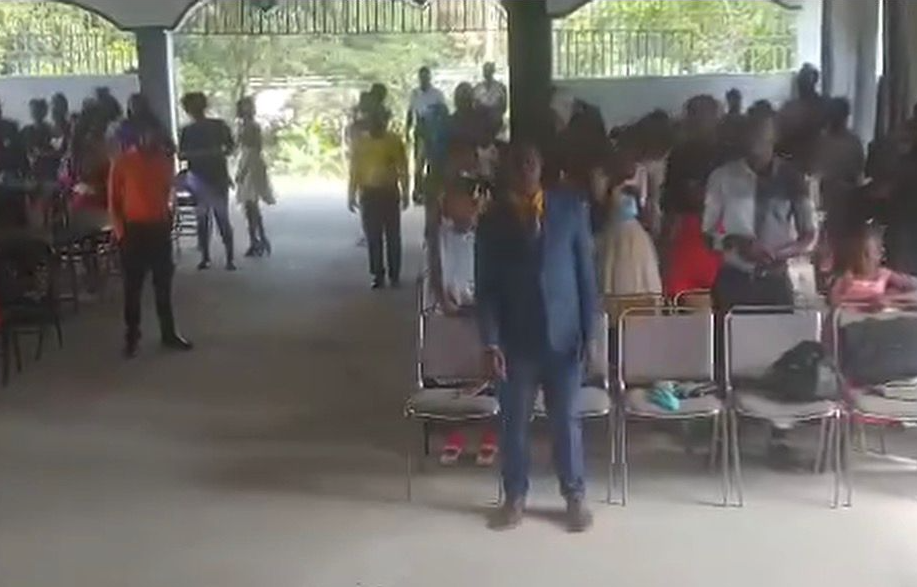
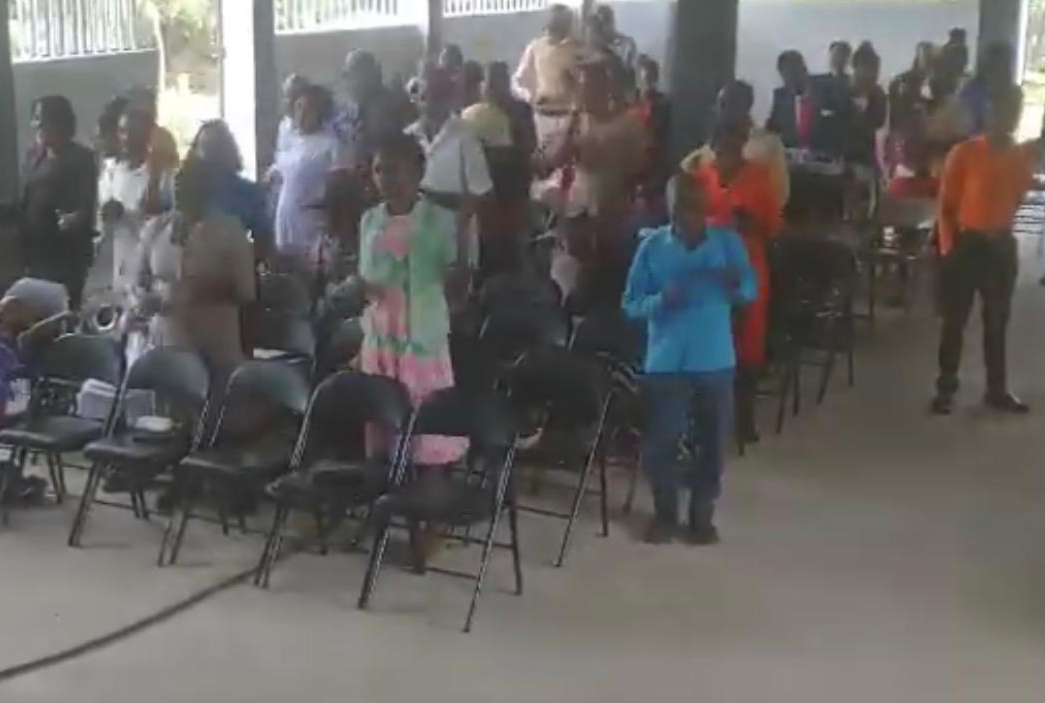
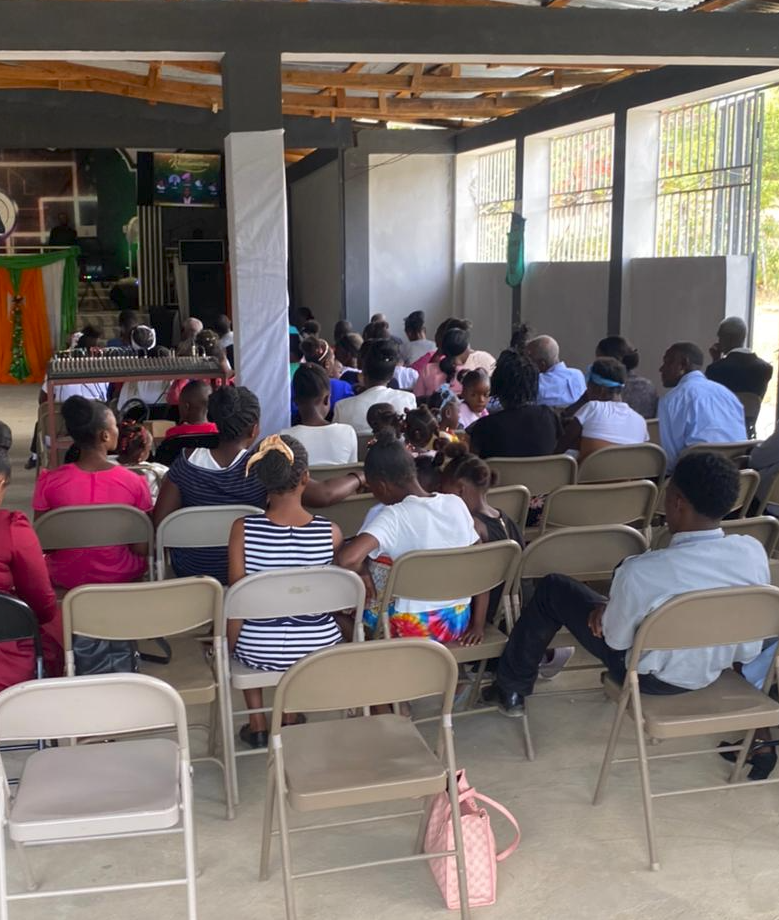
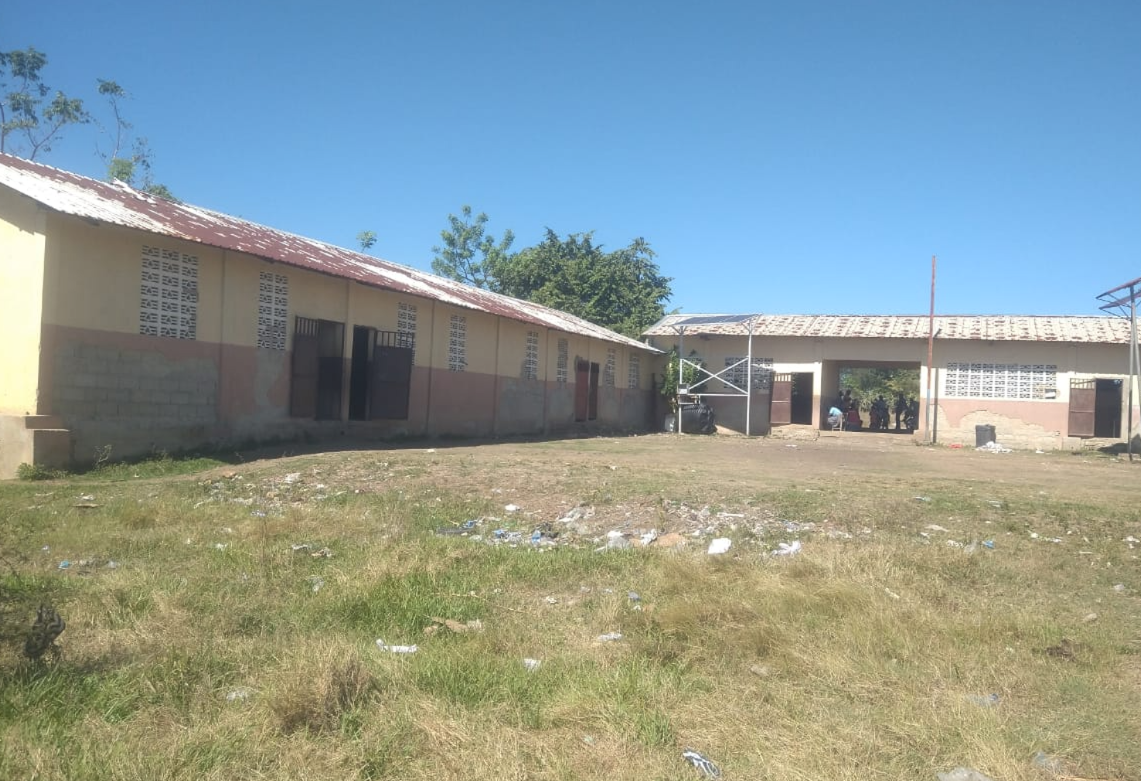
The building/facility we are currently using as our church is shared with others.

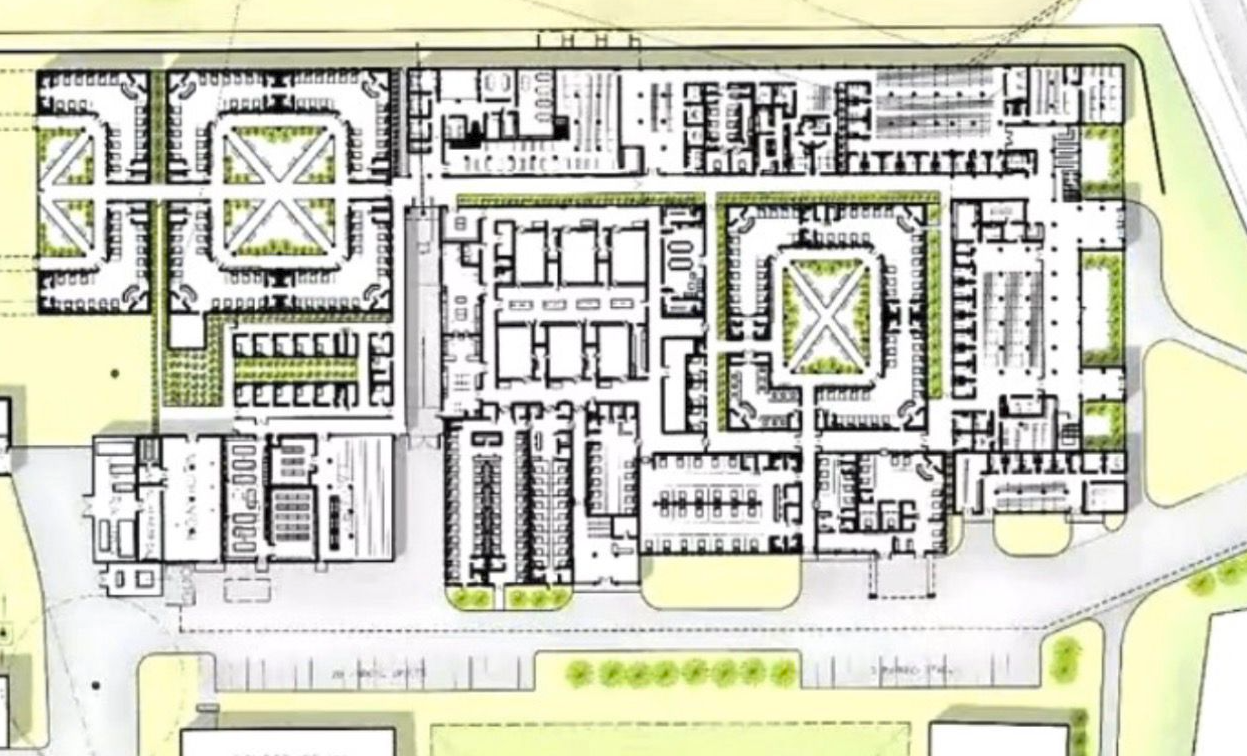
Where we are praying God leads us to, our vision for a church of our own and or one that we could share with others promoting God’s word

School:

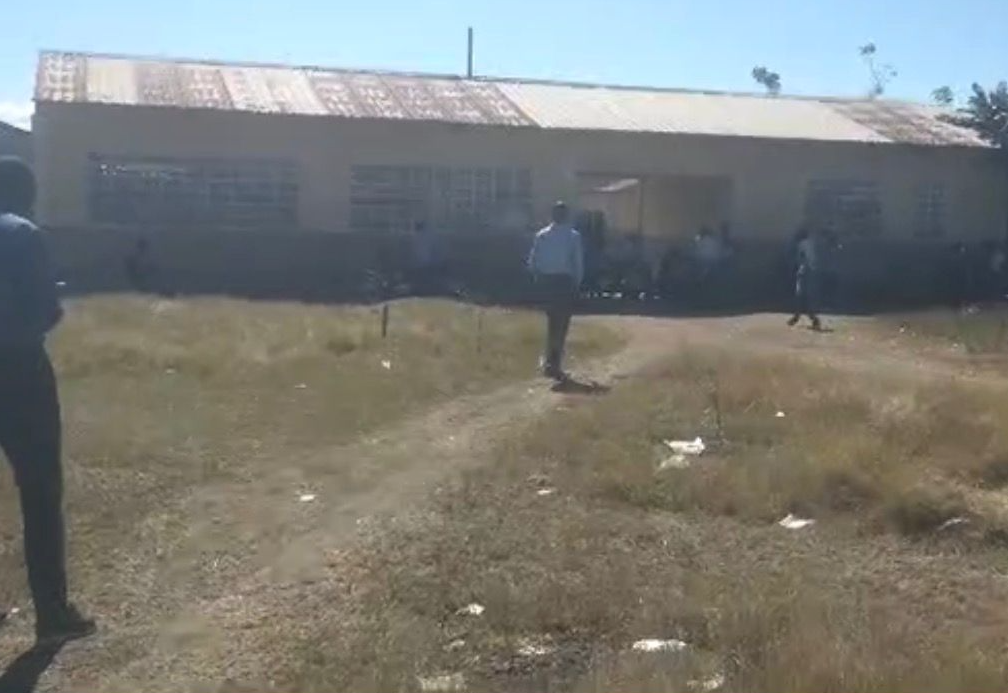
Building(s)/ facility(ies) that we are currently used for schooling

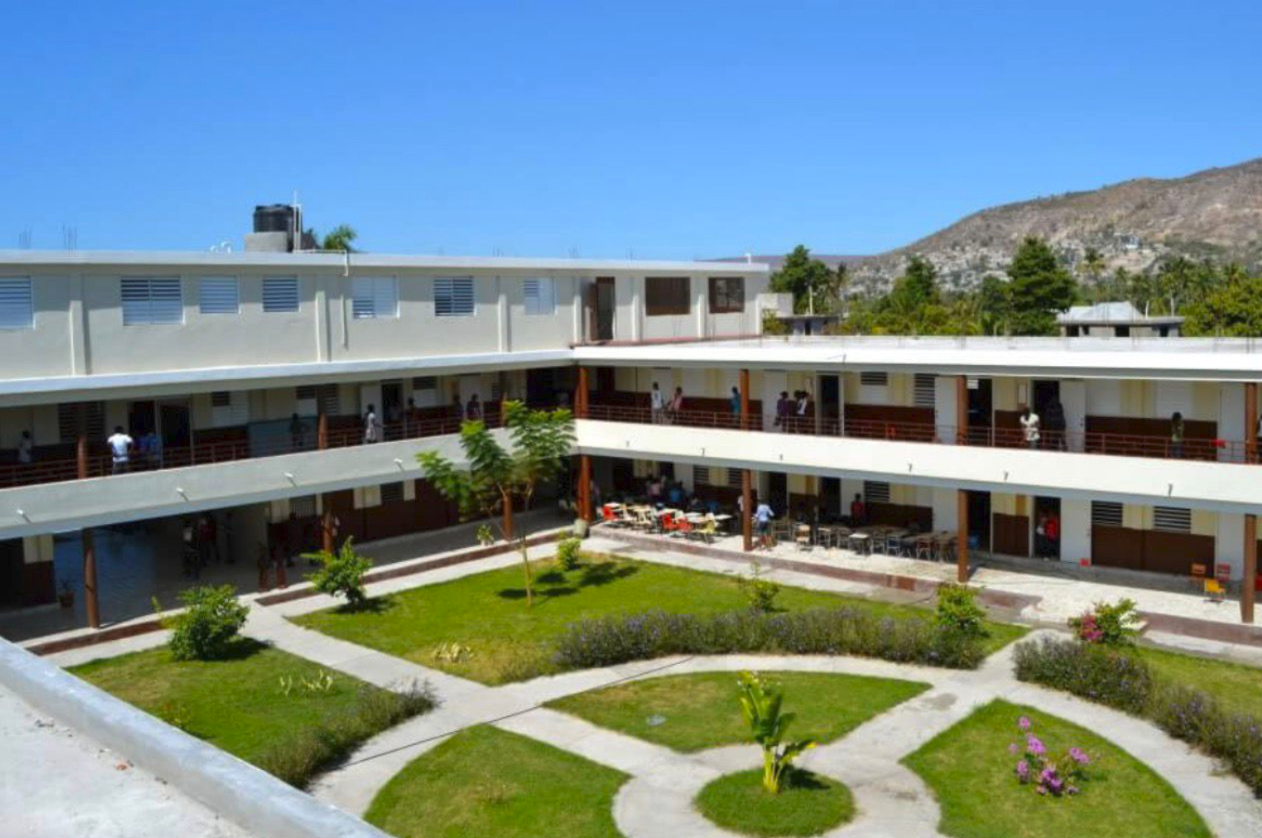
Where we are praying God leads us to, our vision for a school/ school compound, one where we could teach: pre-school, K-8th grade, High school, university/ college

Additional objectives/goals
• Medical facilities
• Soccer/cricket pitch/grounds
• Homes/apartments for the homeless
• Operating budgets for maintaining all of the above
• Training facilities, including but not limited to:

  • Technicians (instrument, electrical, mechanical)
  • Carpenters
  • Mechanics (petrol and diesel, including farm and construction equipment)
  • Pipe fitters/welders
  • Electricians

Pioneering food formulas are scientifically developed, nutrient-dense products designed to combat severe malnutrition and specific health conditions. Key examples include FMSC’s MannaPack® (rice, potato-D, and mix), plant-based, dairy-free, and soy-free infant nutrition, and specialized, real-food enteral (tube-feeding) formulas. These innovations focus on high-quality ingredients, bioavailability, and sustainable, localized sourcing to improve health outcomes.